شرح المدرسين

Introduction
Childbirth, while a natural process, can sometimes lead to complications that may pose risks to the birthing person. Among these, perineal and puerperal hematomas are significant concerns due to their potential impact on postpartum recovery. These conditions result from trauma to the rich vascular supply of the uterus, vagina, and vulva during delivery.
Epidemiology
Puerperal hematomas occur in approximately 1:300 to 1:1500 deliveries. Although rare, they can be a life-threatening complication, necessitating prompt recognition and management.
Etiology
Most puerperal hematomas are attributed to bleeding lacerations related to operative deliveries or episiotomies. They may also arise from injury to blood vessels without laceration or incision, such as in cases of pseudoaneurysm or traumatic arteriovenous fistula. Risk factors include nulliparity, delivering an infant over 4000 grams, preeclampsia, prolonged second stage of labor, operative vaginal delivery, multifetal pregnancy, vulvar varicosities, or clotting disorders.
Common Locations
Puerperal hematomas can occur in various locations, including the vulva, vaginal/paravaginal area, retroperitoneum, and, though extremely rare, the bowel.
- Vulva: Resulting from injuries to branches of the pudendal artery during episiotomy or from perineal lacerations.
- Vaginal/Paravaginal Area: Stemming from injuries to branches of the uterine artery, often associated with forceps delivery.
- Retroperitoneum: Typically caused by injury to branches of the hypogastric (internal iliac) artery, such as from uterine artery laceration during hysterotomy or uterine rupture.
Clinical Manifestations and Diagnosis
The symptoms of puerperal hematomas can vary based on the location but often involve pain, mass effects, and signs of hemodynamic instability such as tachycardia and hypotension. The diagnosis is usually based on characteristic symptoms and findings on physical examination, with imaging studies reserved for expanding hematomas or when physical examination is inconclusive.
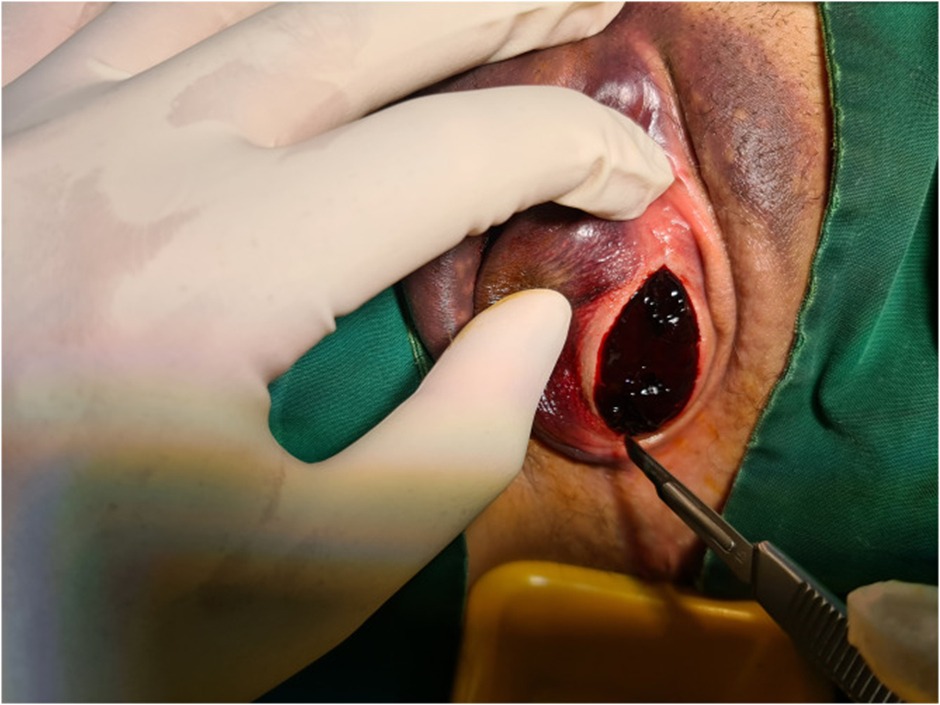
Management
The management approach depends on the hematoma's size, location, and the patient's stability. Options include conservative management with observation and supportive care, surgical intervention, and selective arterial embolization. The choice of management should be guided by clinical judgment, with a focus on stabilizing the patient and controlling bleeding.
- Vulvar and Vaginal Hematomas: Small, nonexpanding hematomas may resolve with conservative management. Large or expanding hematomas may require surgical evacuation.
- Retroperitoneal Hematomas: These often necessitate laparotomy or angiographic embolization due to the potential for significant blood loss and hemodynamic instability.
Postoperative Care
After surgery for vulvar or vaginal hematomas, perineal hygiene, adequate analgesia, and pelvic rest are recommended to support healing. Patients should be advised to monitor for signs of infection or worsening symptoms and to seek medical attention promptly if these occur.
Conclusion
Perineal and puerperal hematomas are important complications of childbirth that require timely identification and appropriate management. Understanding the risk factors, clinical manifestations, and management strategies is crucial for healthcare providers to minimize morbidity and ensure the well-being of postpartum patients.
احصل على التجربة الكاملة
اشترك للوصول لفيديوهات الشرح التفصيلي والبطاقات التعليمية التفاعلية وأسئلة الممارسة مع تتبع التقدم.