شرح المدرسين
Introduction
Conception is the process that leads to the beginning of a new life. It involves the creation of sperm and eggs, their union to form an embryo, and the embryo's growth in the uterus. In this article, we will explore how the body prepares for and achieves conception.
سجل دخولك لإضافة ملاحظات خاصة لكل قسم
· اشترك الآن
Oogenesis
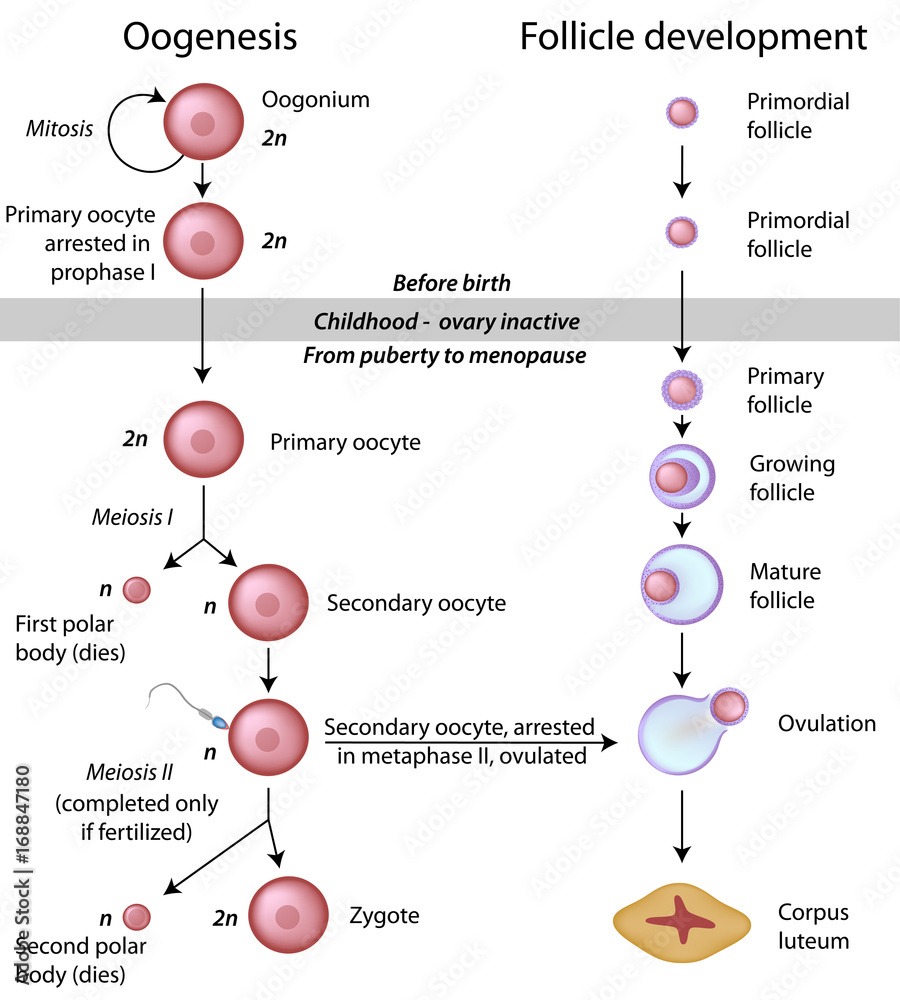
- Oogenesis is the process through which immature oocytes develop into mature ova, ready for fertilization.
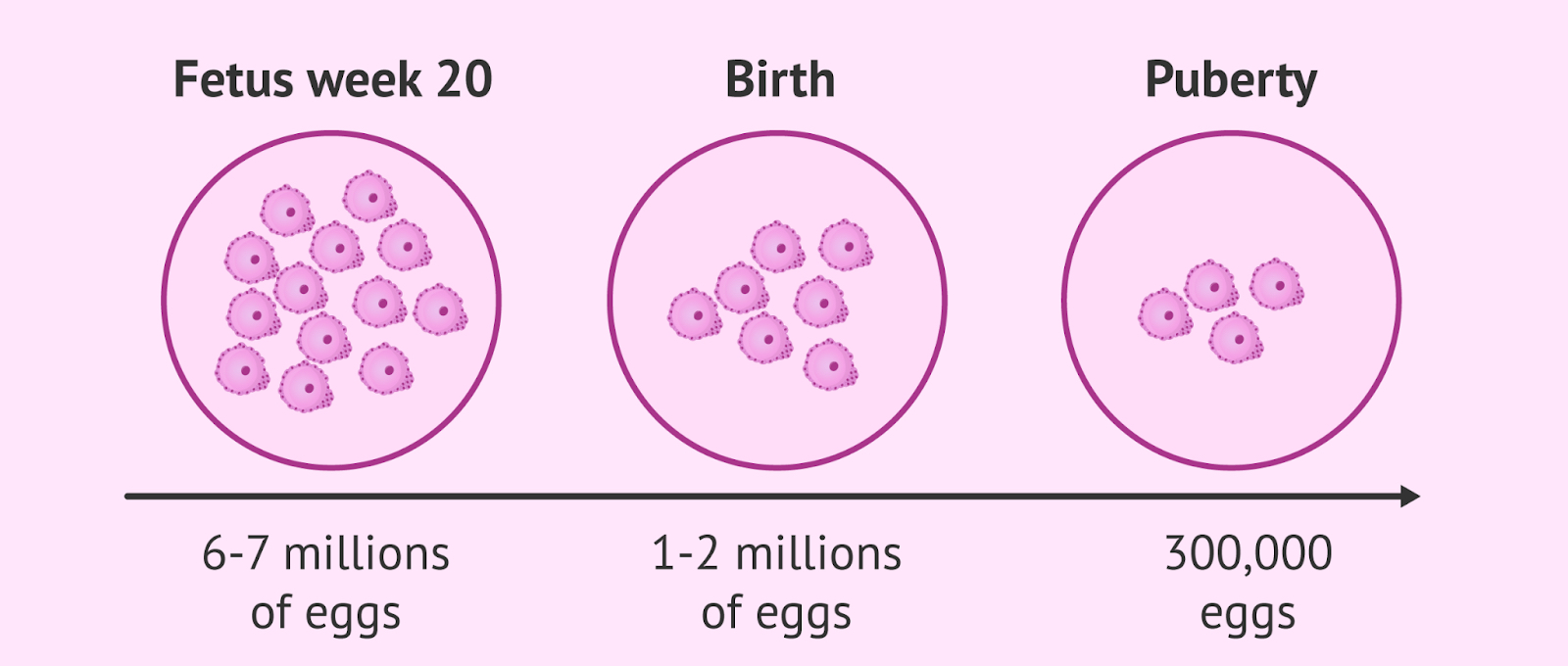
- This process begins in utero, where a female fetus will develop approximately 7 million primary oocytes by 20 weeks of gestation. By birth, the number of primary oocytes drops to about 1–2 million. However, by the onset of puberty, only about 300,000 to 400,000 oocytes remain.
- This decrease highlights that a woman’s ability to have children is limited and gradually reduces over time until it stops completely at menopause.
سجل دخولك لإضافة ملاحظات خاصة لكل قسم
· اشترك الآن
Hormonal Regulation and the Menstrual Cycle
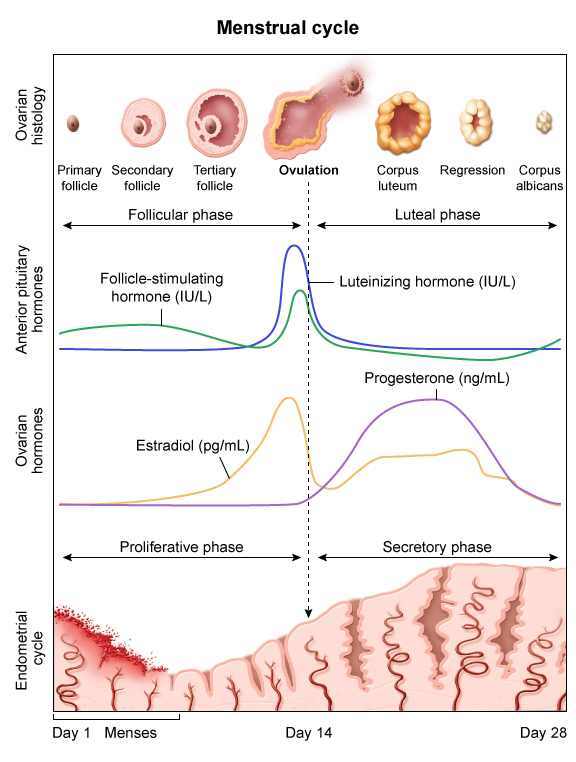
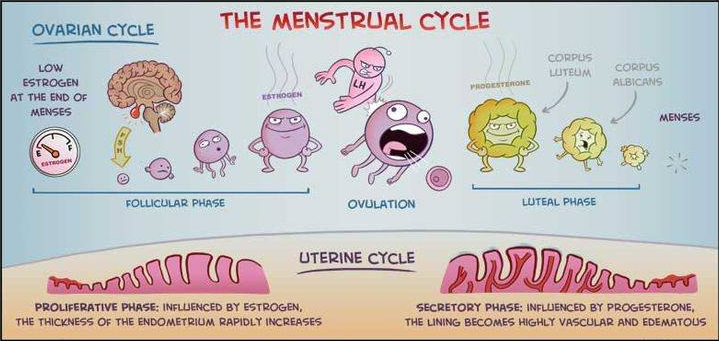
- The menstrual cycle, regulated by a complex interplay of hormones, is divided into:
- The follicular phase (the first half of the menstrual cycle)
- Starting on the first day of menstruation and ending with ovulation,
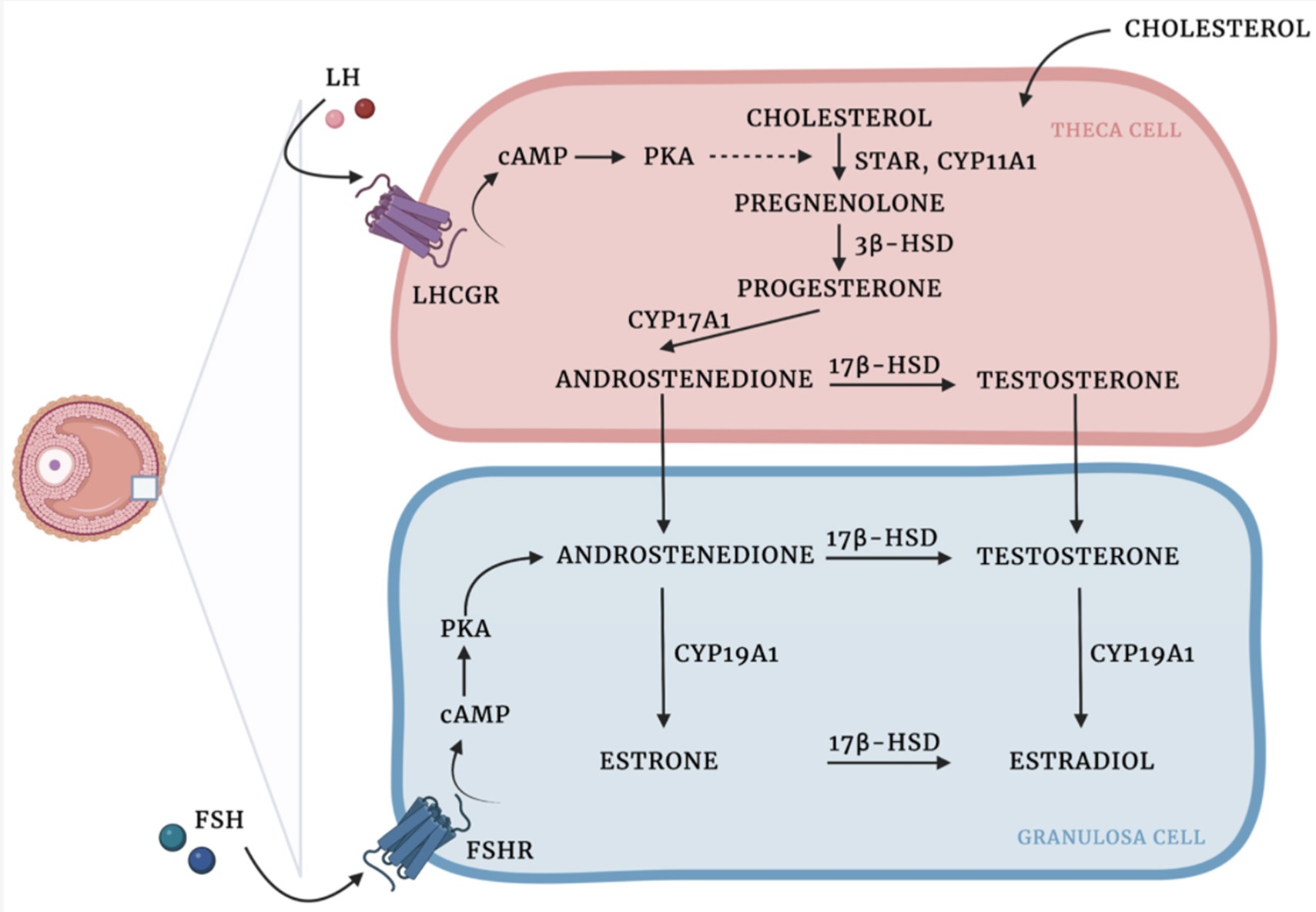
- Characterized by the maturation of ovarian follicles under the influence of follicle-stimulating hormone (FSH). FSH specifically stimulates granulosa cells to produce estrogen, crucial for oocyte maturation and follicular development.)
- Luteal phase (the second half of the menstrual cycle following ovulation)
- Characterized by the activity of the corpus luteum, which secretes progesterone to prepare the endometrium for potential pregnancy.
- Luteinizing hormone (LH) receptors, predominantly located on thecal cells in the ovary, stimulate these cells to produce ovarian androgens and steroid precursors. These precursors are then transported to granulosa cells for aromatization into estrogens, essential for maintaining the endometrium.
- In the absence of fertilization, the corpus luteum degenerates, leading to a decrease in progesterone and estrogen levels and the onset of menstruation).
- The follicular phase (the first half of the menstrual cycle)
سجل دخولك لإضافة ملاحظات خاصة لكل قسم
· اشترك الآن
Ovulation
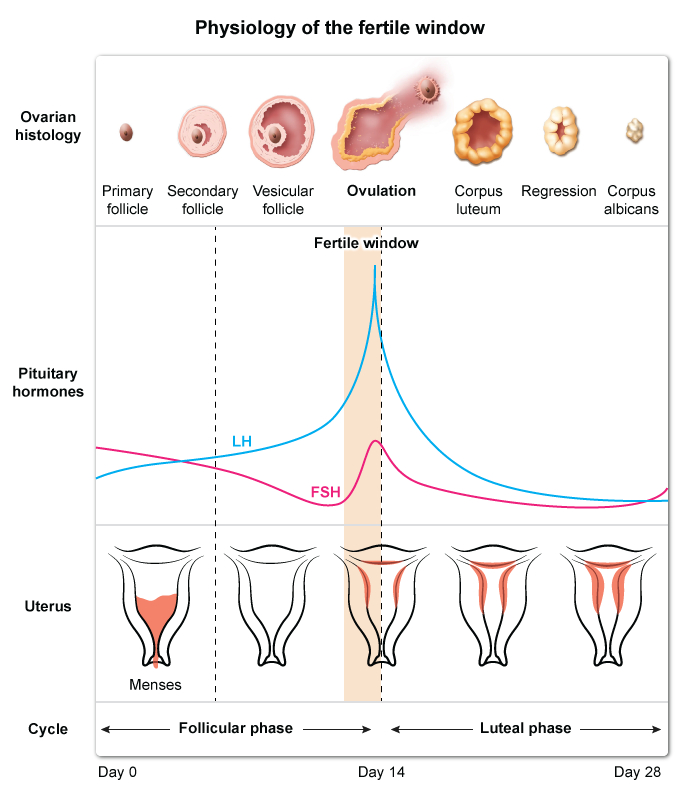
- The release of the mature oocyte into the fallopian tube, triggered by an LH surge, represents a critical phase in the menstrual cycle.
- Ovulation occurs approximately 36 hours after the onset of the LH surge and about 24 hours after the LH peak.
- The precise timing of this event is crucial for maximizing the oocyte's viability and the chances of successful fertilization.
سجل دخولك لإضافة ملاحظات خاصة لكل قسم
· اشترك الآن
Sperm and Fertilization
- Production and Maturation: Sperm are produced in the testes and mature in the epididymis, where they gain motility and the ability to fertilize an egg. This maturation process is crucial for the sperm's journey through the female reproductive tract.
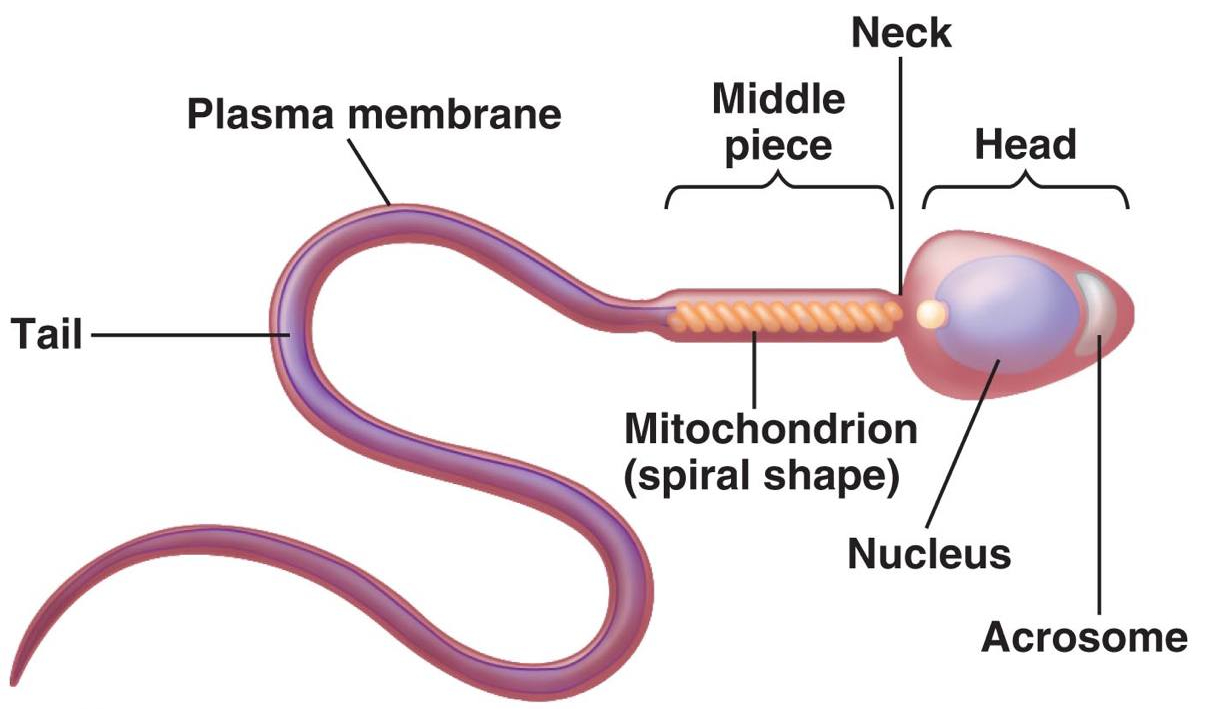
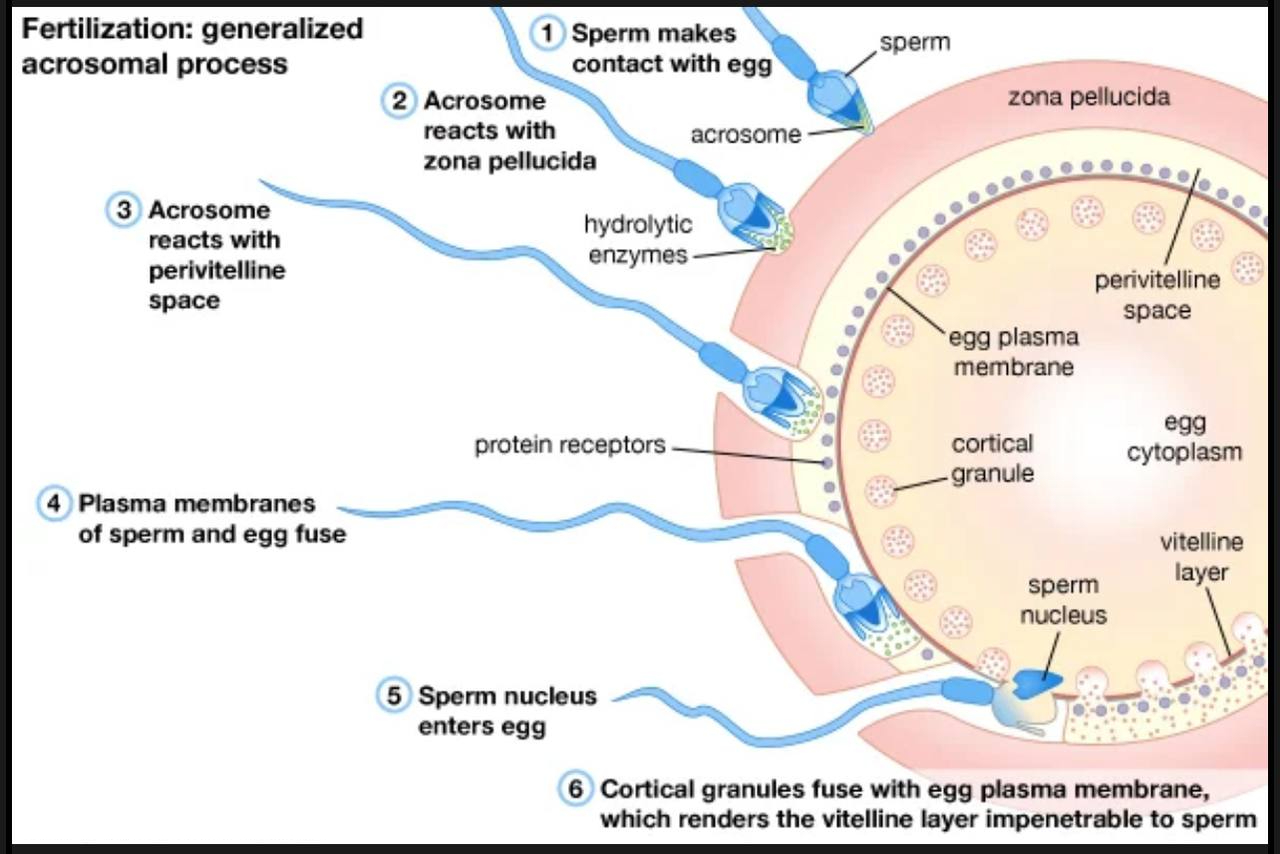
- Structure: A sperm cell is composed of a head, which contains the nucleus and the acrosome (a cap-like structure rich in enzymes necessary to penetrate the oocyte), a midpiece packed with mitochondria to provide energy for movement, and a tail (flagellum) that propels the sperm towards the oocyte.
- Mechanism of Action: During fertilization, the sperm's acrosome reacts with the zona pellucida (the outer layer of the oocyte) in a process known as the acrosome reaction. This reaction releases enzymes that allow the sperm to penetrate the zona pellucida and fuse with the oocyte membrane, leading to the fusion of sperm and oocyte to form a single-cell zygote.
- Genetic Contribution: The sperm carries half of the genetic material required for the development of a new organism. Upon fertilization, the sperm's nucleus merges with that of the oocyte, combining genetic material from both parents to form a zygote with a complete set of chromosomes.
Fertilization requires sperm to undergo capacitation, a maturation process that enhances their mobility and ability to penetrate the oocyte. This process is facilitated by estrogen
سجل دخولك لإضافة ملاحظات خاصة لكل قسم
· اشترك الآن
From Zygote to Blastocyst and Implantation
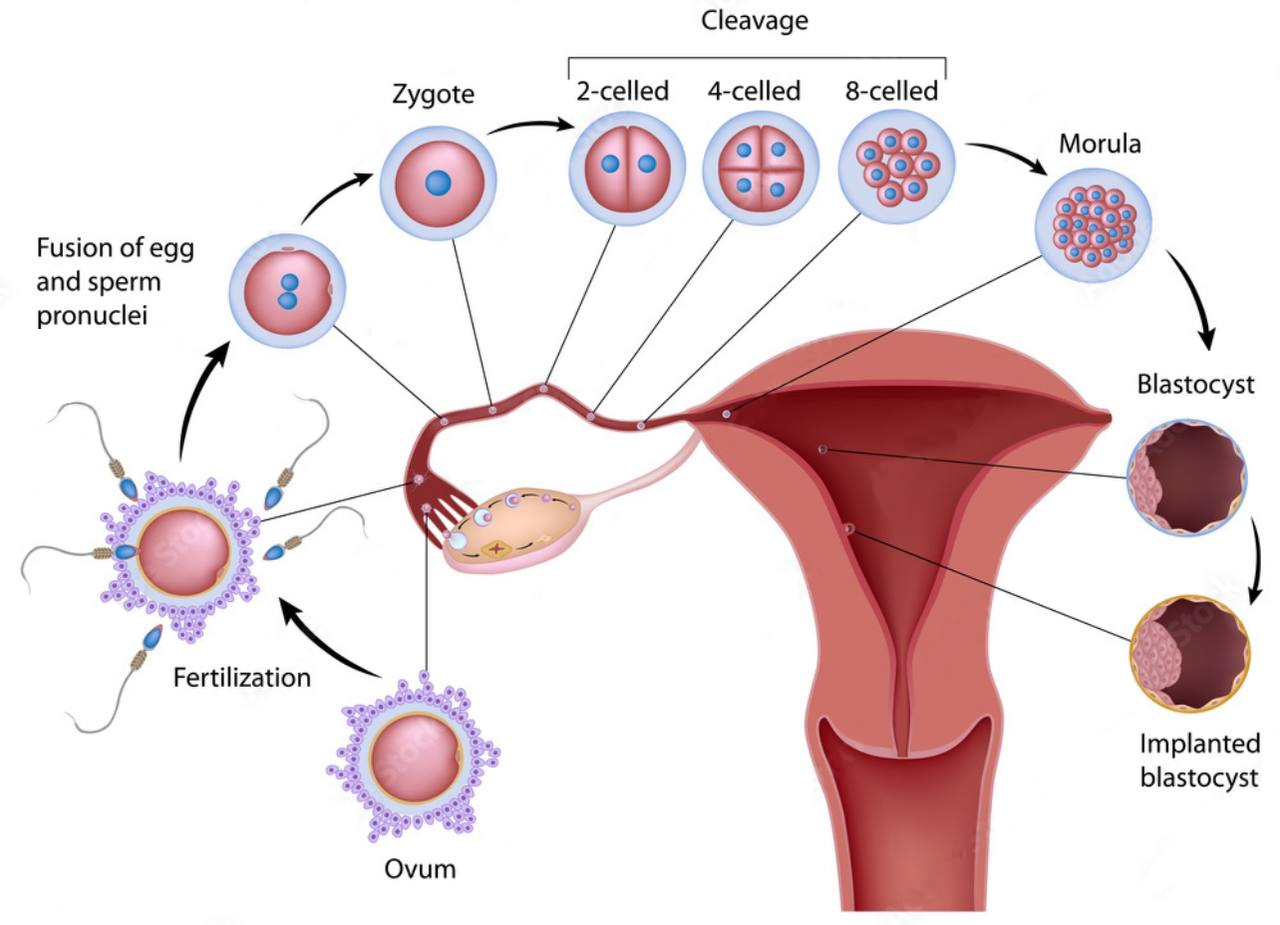
- After fertilization, the zygote divides and travels towards the uterus, transitioning into a morula, which is the 16-cell stage, and then into a blastocyst.
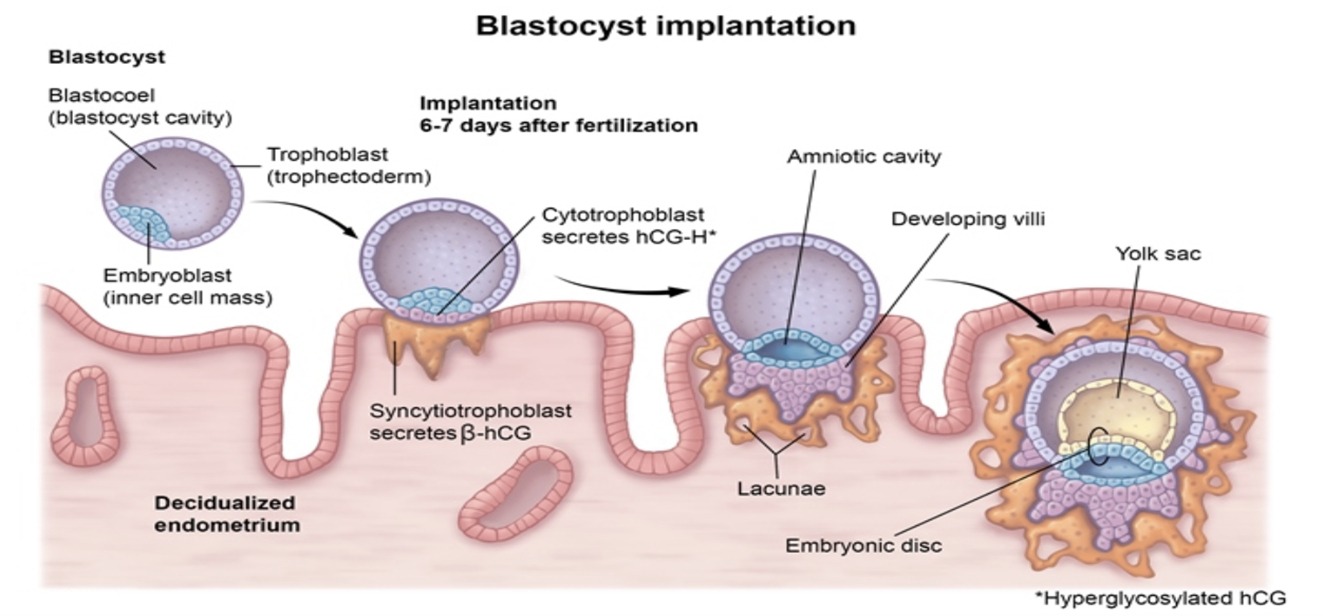
- The blastocyst consists of outer trophoblasts and inner embryoblasts. At this early stage, the trophoblast cells play a crucial role as they begin to produce human chorionic gonadotropin (hCG) shortly after implantation.
- hCG is vital for maintaining the corpus luteum, signaling it to continue producing progesterone. This hormone is essential for keeping the endometrium receptive and supportive of the developing embryo, preventing menstruation and ensuring the uterine lining remains conducive to the pregnancy's progression.
سجل دخولك لإضافة ملاحظات خاصة لكل قسم
· اشترك الآن
احصل على التجربة الكاملة
اشترك للوصول لفيديوهات الشرح التفصيلي والبطاقات التعليمية التفاعلية وأسئلة الممارسة مع تتبع التقدم.
فيديوهات الشرح
بطاقات تفاعلية
أسئلة ممارسة
اشترك الآن