شرح المدرسين

Introduction
Pregnancy triggers significant adaptations within the reproductive system, crucial for the accommodation and nourishment of the developing fetus and preparing the mother's body for childbirth. Understanding these changes is essential for healthcare providers to effectively support pregnant patients.
Major Changes in the Reproductive System
Uterus
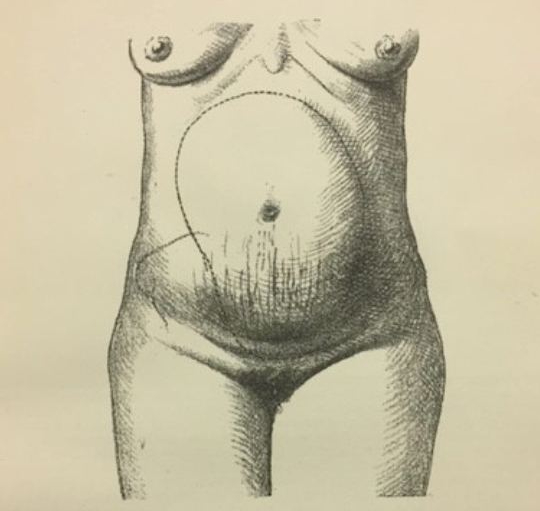
- Size and Weight: The uterus experiences remarkable growth, increasing from a non-pregnant size of approximately 7.5 x 5 x 2.5 cm to about 35 x 25 x 20 cm at term, with its weight escalating from around 50 grams to 1000 grams. This is due to hypertrophy and multiplication of muscle fibers, influenced by estrogen and progesterone, along with an increase in elastic connective tissue.
- Capacity: Expands from 4 ml in the non-pregnant state to around 4000 ml at term, making room for the growing fetus, placenta, and amniotic fluid.
- Shape and Position: The uterus becomes globular by the 8th week and pyriform by the 16th week. It ascends from the pelvis and typically undergoes dextro-rotation, possibly influenced by the rectosigmoid colon on the left side.
- Consistency and Contractility: The uterus becomes progressively softer due to increased vascularity and the presence of amniotic fluid. Braxton Hicks contractions start in the first trimester, characterized by their irregularity and painlessness.
- Uteroplacental Blood Flow: The uterine and ovarian vessels significantly increase in diameter, length, and tortuosity, with blood flow reaching about 500 ml/minute at term.
Vulva and Vagina
- Vaginal Discharge: There is a common increase in vaginal discharge, serving as a protective measure against infections.
- Varicose Veins: The formation of varicose veins in the vulva and vagina may occur due to the increased blood volume and pressure.
Mammary Glands
- Changes in Size: The breasts undergo enlargement, experiencing fullness and tenderness in preparation for lactation.
- Physiological Preparations: These adaptations facilitate the future production and secretion of milk, crucial for newborn nourishment.
Conclusion
The reproductive system undergoes profound changes during pregnancy, from the remarkable transformation of the uterus to the preparatory changes in the mammary glands for lactation. These adaptations are vital for creating a conducive environment for the developing fetus and ensuring the mother's readiness for childbirth and postpartum recovery. Healthcare providers play a pivotal role in recognizing and supporting these changes, ensuring the health and well-being of both mother and child.
احصل على التجربة الكاملة
اشترك للوصول لفيديوهات الشرح التفصيلي والبطاقات التعليمية التفاعلية وأسئلة الممارسة مع تتبع التقدم.