شرح المدرسين

Introduction
Pregnancy induces various physiological adaptations within the gastrointestinal system. These changes are crucial to accommodate the growing fetus and prepare the mother's body for childbirth. Understanding these adaptations is key for effectively managing common gastrointestinal issues during pregnancy.
سجل دخولك لإضافة ملاحظات خاصة لكل قسم
· اشترك الآن
Major Gastrointestinal Changes and Management
- Oral Cavity
- Conditions: Pregnancy can exacerbate oral health conditions such as gingivitis, tooth mobility, oral gingival lesions, and dental caries.
- Recommendations: Regular oral health assessments are recommended, with a focus on gingival health. Excessive salivation, though common, does not significantly affect teeth, tongue, or salivary glands.
- Gastroesophageal Reflux (GER)
- Prevalence: GER symptoms often increase from the first to the third trimester due to decreased lower esophageal sphincter pressure and improve postpartum.
- Management: Lifestyle modifications and antacids can effectively manage GER symptoms during pregnancy.
- Gastric Aspiration
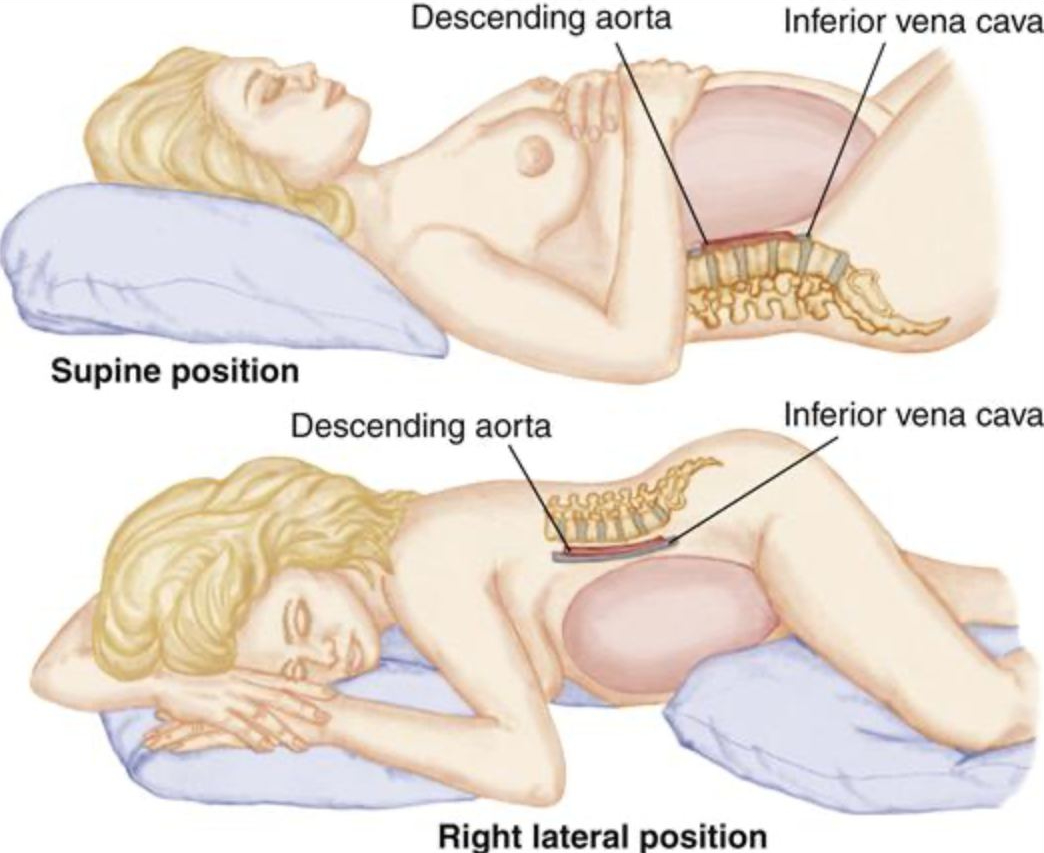
- Risk Factors: Increased intraabdominal pressure and lower esophageal sphincter relaxation raise the risk of gastric aspiration, especially during labor or postpartum.
- Prevention: Precautions during sedation and in recumbent positions are essential to prevent aspiration.
- Liver
- Function: Liver function tests generally remain within normal ranges, though serum albumin decreases and lipid levels increase.
- Management: Elevated lipid levels typically do not require treatment during pregnancy. Patients on statin therapy should consult their healthcare provider about discontinuation.
- Gallbladder
- Changes: Gallbladder volume and bile lithogenicity increase, raising the risk of gallstones due to hormonal influences. Estrogen increases cholesterol secretion into bile, while progesterone decreases bile acid secretion and slows gallbladder emptying, promoting stone formation.
- Recommendations: Monitoring for symptoms of gallstones and gallbladder disease is advised.
- Pancreas
- Enzyme Levels: Amylase levels may be normal or slightly elevated. Acute pancreatitis is rare but should be considered in differential diagnoses for abdominal pain.
- Bowel
- Constipation and Bloating: Increased progesterone levels and compression from the growing uterus reduce motility, leading to constipation and bloating.
- Hemorrhoids: Common due to increased venous pressure and constipation. A high-fiber diet and adequate hydration are recommended for prevention and management.
- Fecal Incontinence: May increase during pregnancy, emphasizing the importance of dietary management.
سجل دخولك لإضافة ملاحظات خاصة لكل قسم
· اشترك الآن
Postpartum Resolution
Most gastrointestinal changes resolve after delivery, requiring only supportive care. However, conditions like gallstone pancreatitis or cholecystitis necessitate urgent gastroenterology consultation.
سجل دخولك لإضافة ملاحظات خاصة لكل قسم
· اشترك الآن
احصل على التجربة الكاملة
اشترك للوصول لفيديوهات الشرح التفصيلي والبطاقات التعليمية التفاعلية وأسئلة الممارسة مع تتبع التقدم.
فيديوهات الشرح
بطاقات تفاعلية
أسئلة ممارسة
اشترك الآن