شرح المدرسين

Introduction
- Water-soluble vitamins include: B-complex group and vitamin C.
- These vitamins are not stored in the body in significant amounts and are excreted in urine, making it important to have a regular daily intake.
سجل دخولك لإضافة ملاحظات خاصة لكل قسم
· اشترك الآن
Vitamin B1 (Thiamine)
Importance
- Thiamine is essential for converting carbohydrates metabolism and plays a key role in maintaining the function of the nervous, cardiovascular, and musculoskeletal system.
- The Daily Requirements of an infant: 0.2-0.3 mg/day.
Sources
- Breast milk, infant formula, whole grains, legumes, nuts.
Deficiency
- The initial symptoms are nonspecific and may include fatigue, abdominal discomfort, anorexia, depression, and irritability.
- Wet Beriberi: cardiomyopathy with Congestive Heart Failure with generalized edema.
- Dry Beriberi: paresthesia, foot and wrist drop, peripheral neuritis, loss of deep tendon reflexes, loss of vibration ses, muscle atrophy, and can lead to nerve degeneration if not treated.
- Wernicke’s encephalopathy: Neurological disorder characterized by: ophthalmoplegia, ataxia, and confusion.
سجل دخولك لإضافة ملاحظات خاصة لكل قسم
· اشترك الآن
Vitamin B2 (Riboflavin)
Importance
- Riboflavin is important for energy production and metabolism. It also helps maintain healthy skin and eyes.
- The Daily Requirements of an infant: 0.3-0.4 mg/day.
Sources
- Breast milk, formula milk, eggs, green vegetables, fortified cereals.
Deficiency
- Ariboflavinosis: cheilosis (cracks at the corner of the mouth), and sore tongue.
- In severe cases: anemia and cataracts.
سجل دخولك لإضافة ملاحظات خاصة لكل قسم
· اشترك الآن
Vitamin B3 (Niacin)
Importance
- Niacin helps in energy production, and cellular metabolism.
- It also plays a role in maintaining the health of the digestive system, skin, and nervous system.
- The Daily Requirements of an infant: 2-4 mg/day.
Sources
- Breast milk, formula milk, Meat, fish, poultry, whole grains, and fortified cereals.
Deficiency
- This occurs in areas where corn is used as the primary grain; corn does not contain sufficient amounts of niacin
- Pellagra: Characterized by diarrhea, dermatitis, and dementia.
سجل دخولك لإضافة ملاحظات خاصة لكل قسم
· اشترك الآن
Vitamin B6 (Pyridoxine)
Importance
- Vitamin B6 is an important coenzyme, mainly involved in protein metabolism.
- It also supports cognitive development and immune function.
- The Daily Requirements of an infant: 0.1-0.3 mg/day.
Sources
- Breast milk, formula milk, poultry, fish, potatoes, and non-citrus fruits.
Deficiency
- Cause: metabolic defects, isoniazid overdose.
- Irritability, depression, confusion, and seizures (responsive to B6).
سجل دخولك لإضافة ملاحظات خاصة لكل قسم
· اشترك الآن
Vitamin B12 (Cobalamin)
Importance
- Vitamin B12 is essential for RBC synthesis, brain development, and DNA synthesis.
- The Daily Requirements of an infant: 0.42-0.5 µg/day.
Sources
- Breast milk, infant formula.
- Animal products such as meat, eggs, dairy, and fortified cereals.
Deficiency
- The most common cause in children is ileal disease (Crohn disease, short bowel syndrome).
- Megaloblastic anemia and neurological damage.
- Other symptoms include: developmental delays, lethargy, and weakness.
سجل دخولك لإضافة ملاحظات خاصة لكل قسم
· اشترك الآن
Folate (Vitamin B9)
Importance
- Folate is critical for cell division, DNA synthesis, and red blood cell production.
- The Daily Requirements of an infant: 65-80 µg/day.
Sources
- Breast milk, formula milk, leafy greens vegetables, fortified cereals, and citrus fruits
Deficiency
- Deficiency is a primary cause of hematologic problems, including leukocyte and cellular immune dysfunction.
- Folate deficiency is the second most common cause of nutritional anemia.
- Deficiency causes Megaloblastic anemia, characterized by fatigue and weakness.
- This deficiency is especially likely in:
- An infant or child who consumes goat’s milk.
- Patients with ileal resection—typically from necrotizing enterocolitis, Crohn disease, or intussusception
Excess
- High folate intake can mask vitamin B12 deficiency, potentially leading to neurological damage.
سجل دخولك لإضافة ملاحظات خاصة لكل قسم
· اشترك الآن
Vitamin C (Ascorbic Acid)
Importance
- Vitamin C is an antioxidant and is essential for collagen synthesis, wound healing, immune support, and the absorption of iron from plant-based foods.
- The Daily Requirements of an infant: 40-50 mg/day.
Sources
- Breast milk, formula milk, citrus fruits, berries, tomatoes, and green leafy vegetables
Deficiency
- Vitamin C (ascorbic acid) deficiency, also known as Scurvy, is rare in developed countries
- Vitamin C deficiency mostly occurs in children between 6 months and 2 years of age.
- Initial symptoms are nonspecific and include irritability, digestive disturbances, and anorexia.
- Manifestations of Scurvy
- Follicular hyperkeratosis, perifollicular hemorrhages, and “corkscrew-coiled” hairs.
- Mucocutaneous manifestations: petechiae, purpura, and gingival hemorrhage.
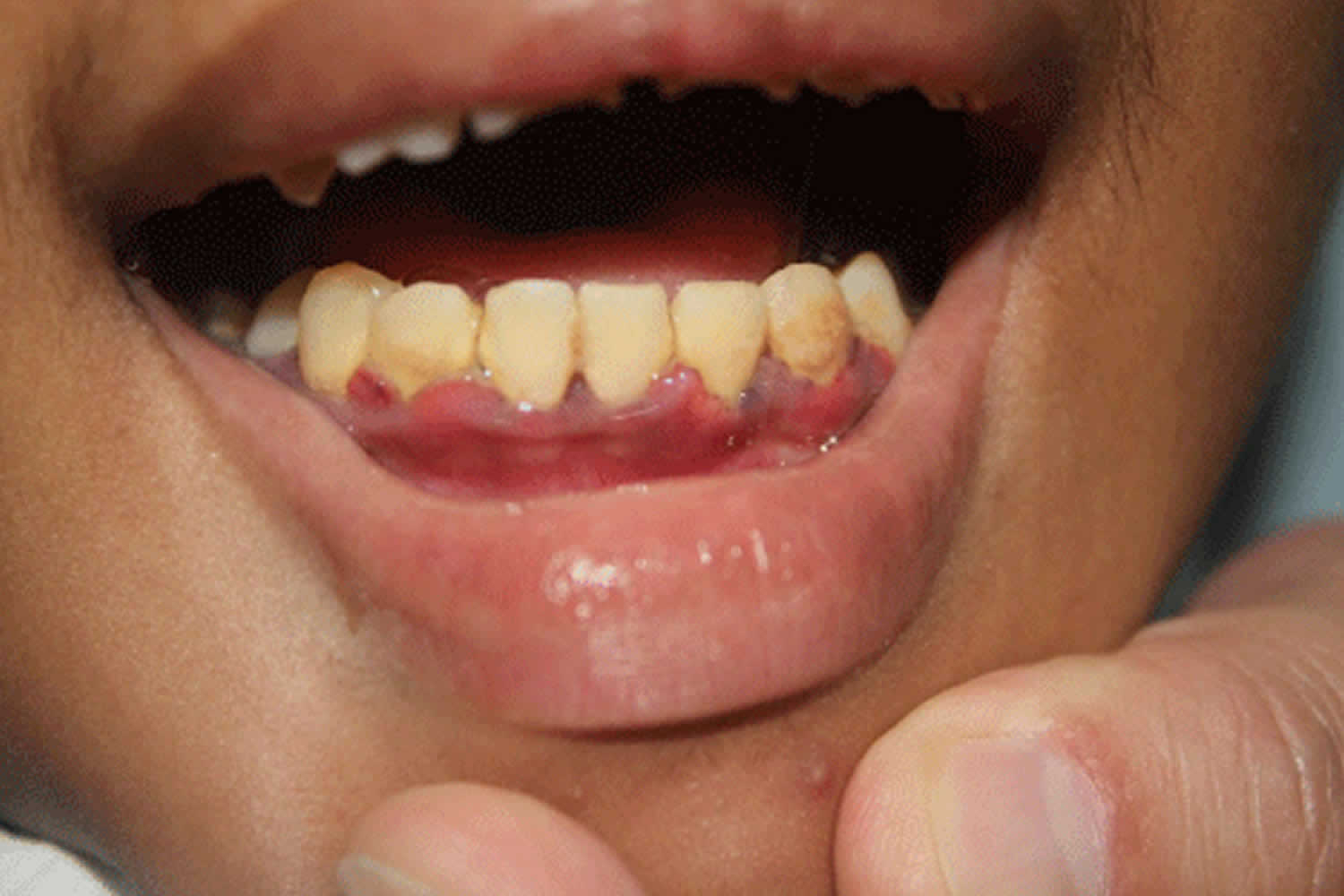
- Hematological manifestations: 75% of the patients have normochromic, normocytic anemia, hemarthrosis.
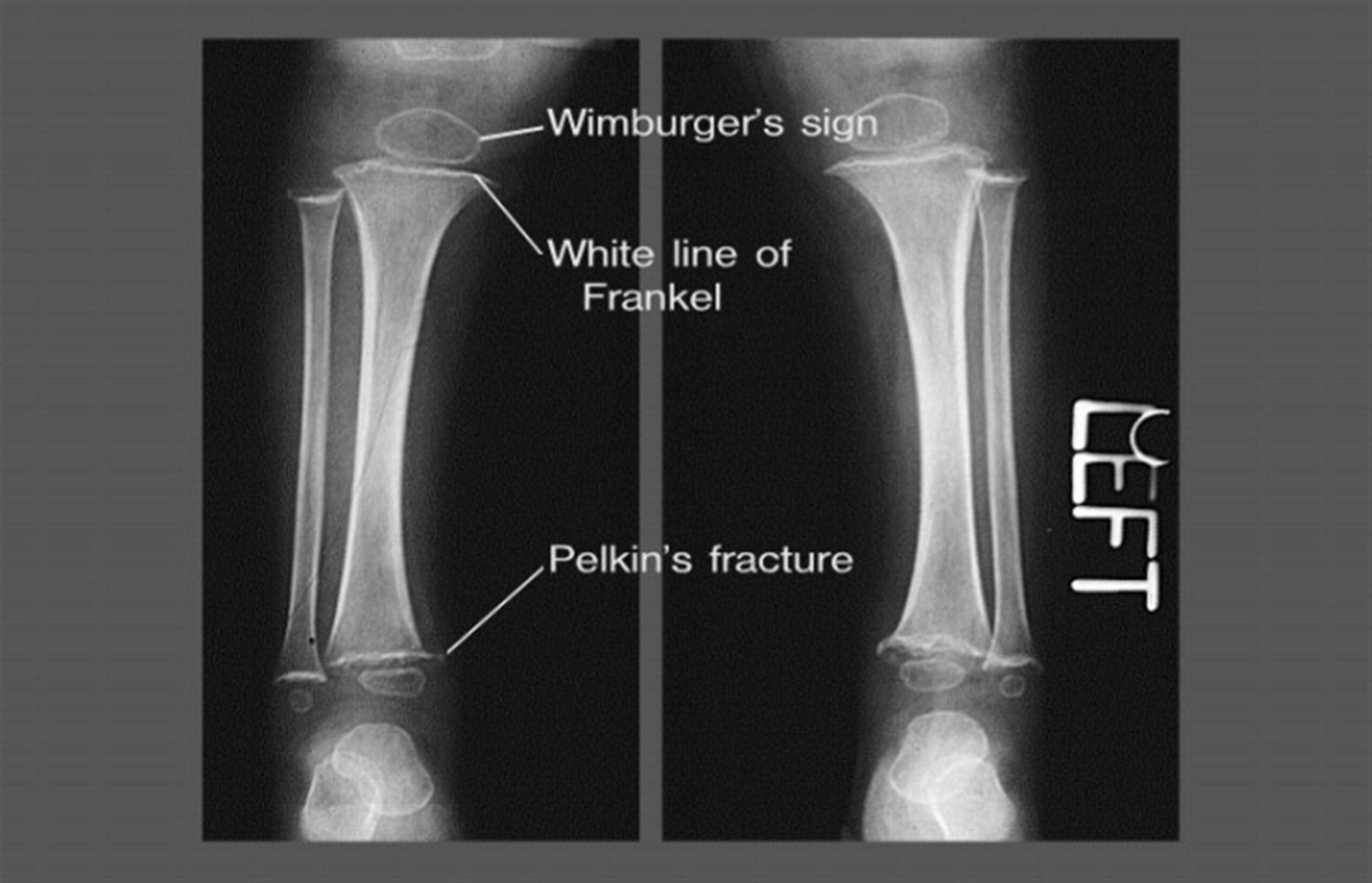
- Bone manifestations: brittle, and fragile bones.On X-ray: white lines of Frankel (a dense band at the growing metaphyseal end, involving the provisional zone of calcification)
Excess
- High doses can lead to nausea, diarrhea and increase the risk of kidney stones formation.
سجل دخولك لإضافة ملاحظات خاصة لكل قسم
· اشترك الآن
Summary
| Water-soluble Vitamins | ||
|---|---|---|
| Vitamin | Source | Deficiency |
| B1 (thiamine) | Whole grains, meat, fortified cereal, nuts, legumes |
|
| B2 (riboflavin) | Dairy, eggs, meat, green vegetables |
|
| B3 (niacin) | Meat, whole grains, legumes |
|
| B6 (pyridoxine) | Meat, whole grains, legumes, nuts |
|
| B9 (folate, folic acid) | Green leafy vegetables, fruit, meat, fortified cereal/grains |
|
| B12 (cobalamin) | Meat, dairy |
|
| C (ascorbic acid) | Citrus fruits, strawberries, tomatoes, potatoes, broccoli |
|
سجل دخولك لإضافة ملاحظات خاصة لكل قسم
· اشترك الآن
احصل على التجربة الكاملة
اشترك للوصول لفيديوهات الشرح التفصيلي والبطاقات التعليمية التفاعلية وأسئلة الممارسة مع تتبع التقدم.
فيديوهات الشرح
بطاقات تفاعلية
أسئلة ممارسة
اشترك الآن