شرح المدرسين

Summary
Gastroesophageal reflux disease (GERD) occurs when transient inappropriate relaxation of the lower esophageal sphincter (LES) allows acidic gastric contents to reflux into the esophagus, causing mucosal injury and symptoms. It is one of the most common gastrointestinal conditions encountered in both primary care and exam settings.
The hallmark symptoms are substernal burning (heartburn) and acid regurgitation, typically worsening after meals and when lying supine. GERD also has important extraesophageal manifestations — chronic cough, hoarseness, and wheezing — which may occur even without classic heartburn ("silent GERD").
Introduction
- Gastroesophageal reflux (GER) is the normal physiologic state in which stomach contents move retrograde into the esophagus.
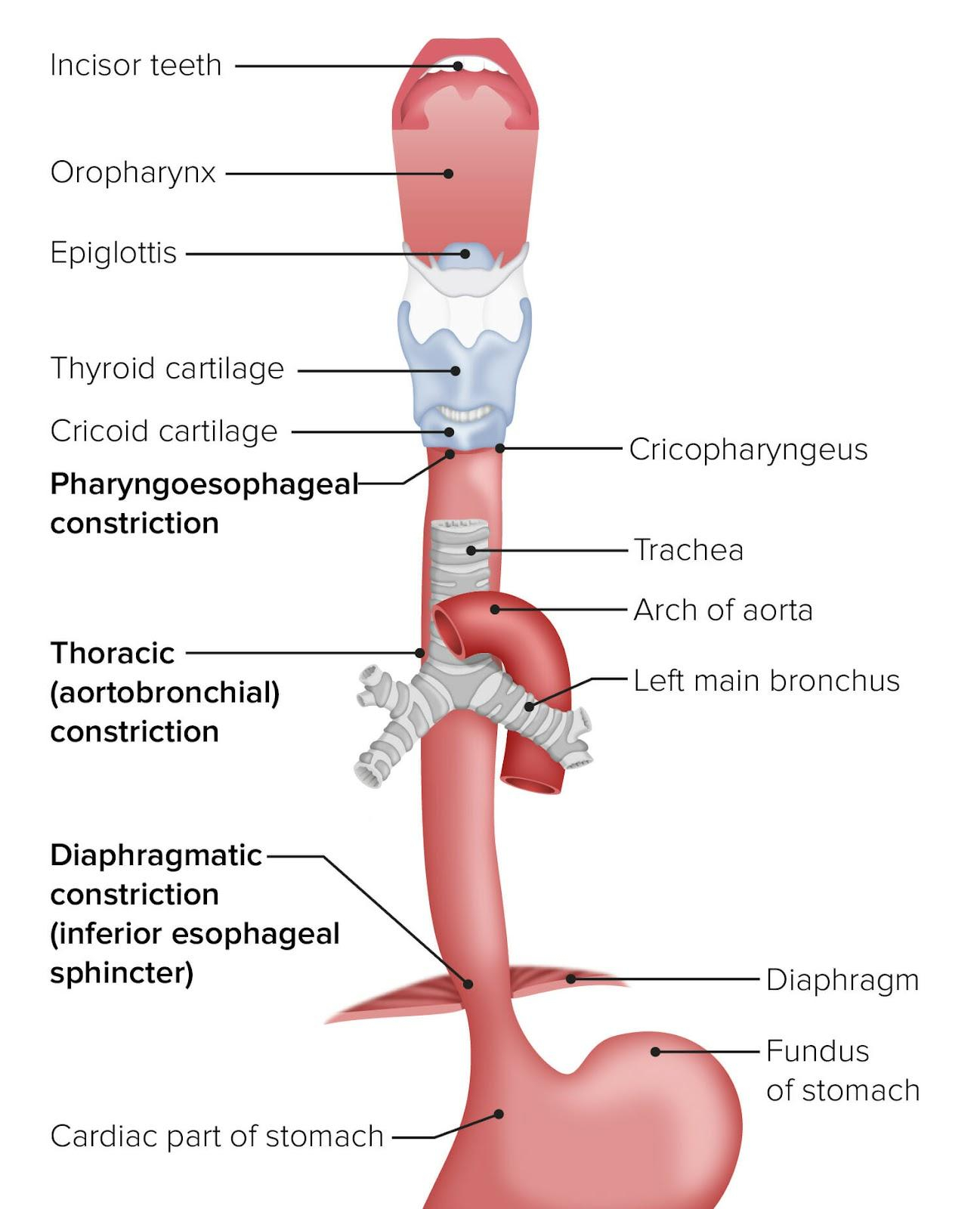
- Gastroesophageal reflux disease (GERD) is characterized by transient inappropriate decrease in lower esophageal sphincter tone which allows excessive gastric refluxate to enter the esophagus and even the oropharynx.
- GERD presents as heartburn, regurgitation, and dysphagia.
- This condition is also associated with respiratory symptoms such as chronic cough, hoarseness and it may exacerbate asthma.
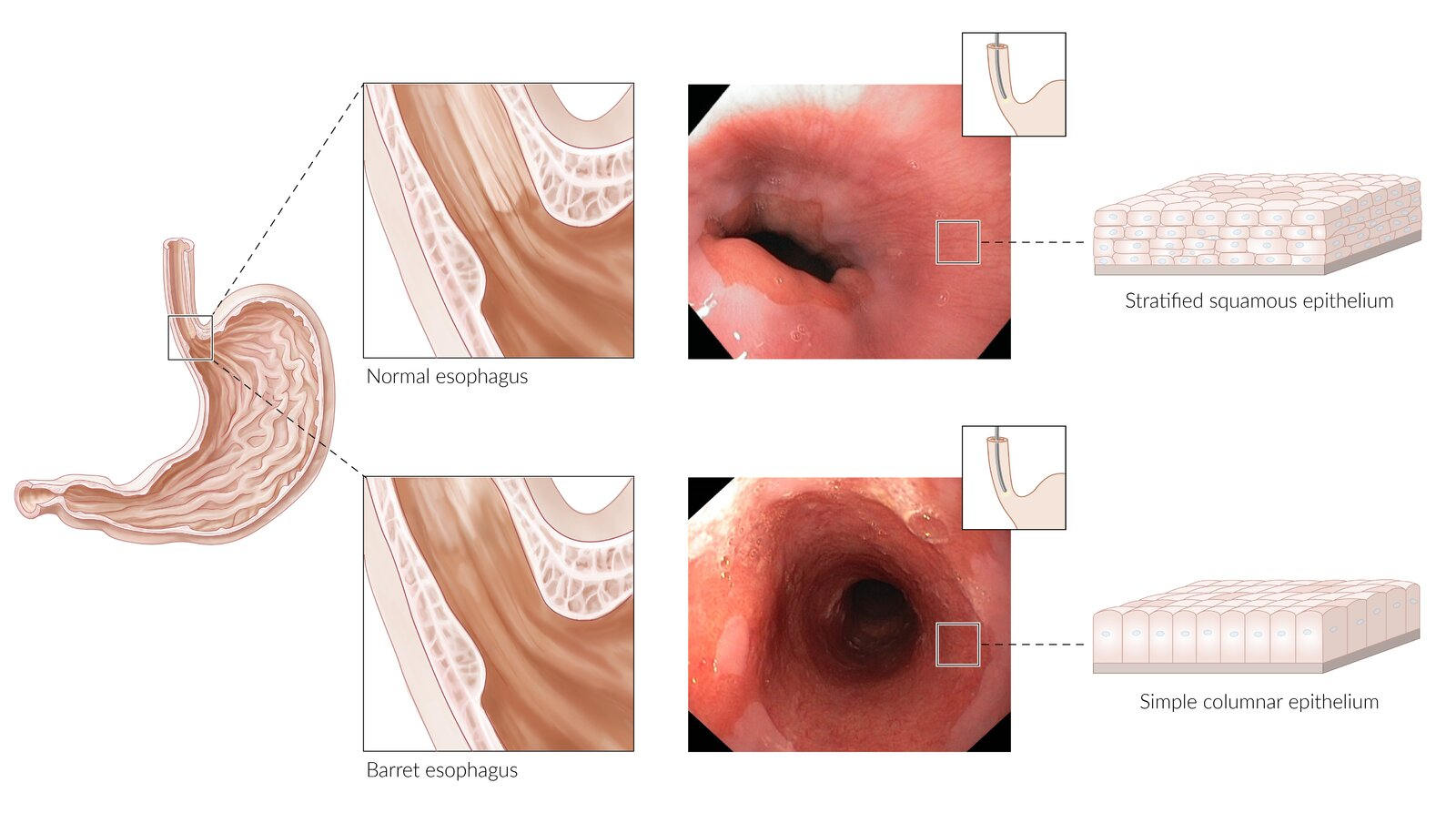
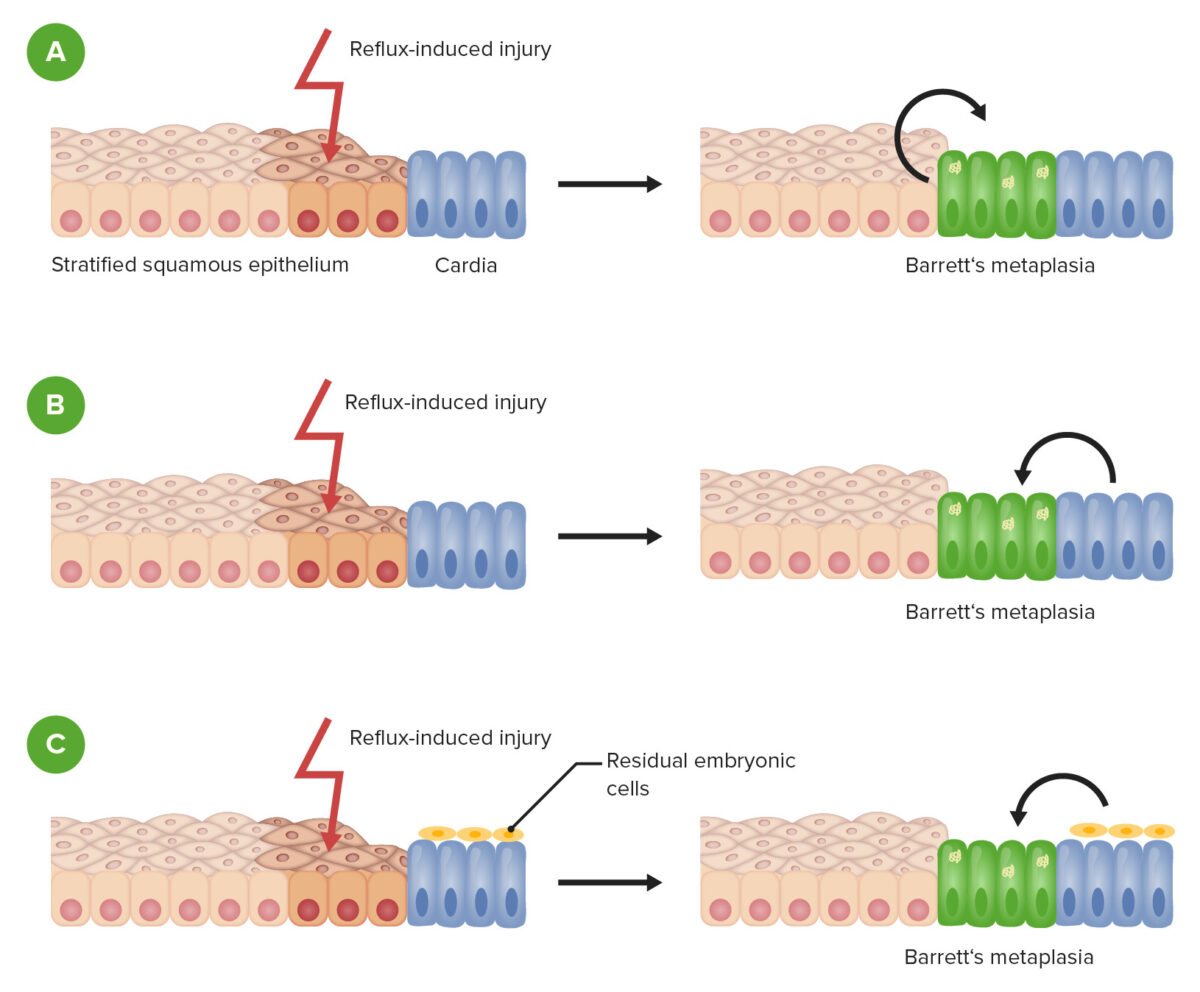
- Complications include erosive esophagitis, strictures, and Barrett esophagus.
| Gastroesophageal Reflux Disease (GERD) | |
|---|---|
| Pathophysiology |
|
| Manifestations |
|
| Complications |
|
| Initial Treatment |
|
| Barrett Esophagus | |
|---|---|
| Definition |
|
| Location |
|
| Etiology |
|
| Associations |
|
Epidemiology
- GERD is one of the most common gastrointestinal disorders (approximately 20% of adults).
- This condition presents higher in girls compared with boys.
Etiology
- Impaired lower esophageal sphincter (LES) function and transient lower esophageal sphincter relaxations (TLESRs)
- Acidic refluxate from the stomach enters the esophagus and oropharynx.
Presentation of physiologic reflux (GER)
- Infants are often termed “happy spitters” (they are without reflux-associated symptoms).
- Emesis is benign.
- Education and reassurance of parents are important (to avoid aimless formula changes, early weaning, medications or remedies).
- Emesis from physiology reflux resolves by 6-12 months of age.
Presentation of pathological reflux (GERD)
- Presentation of pathological reflux is different based on the age of the child affected.
| Difference in Presentation of Gastroesophageal Reflux Disease Based on Age | |
| Infants | Older Children |
|
|
Diagnosis
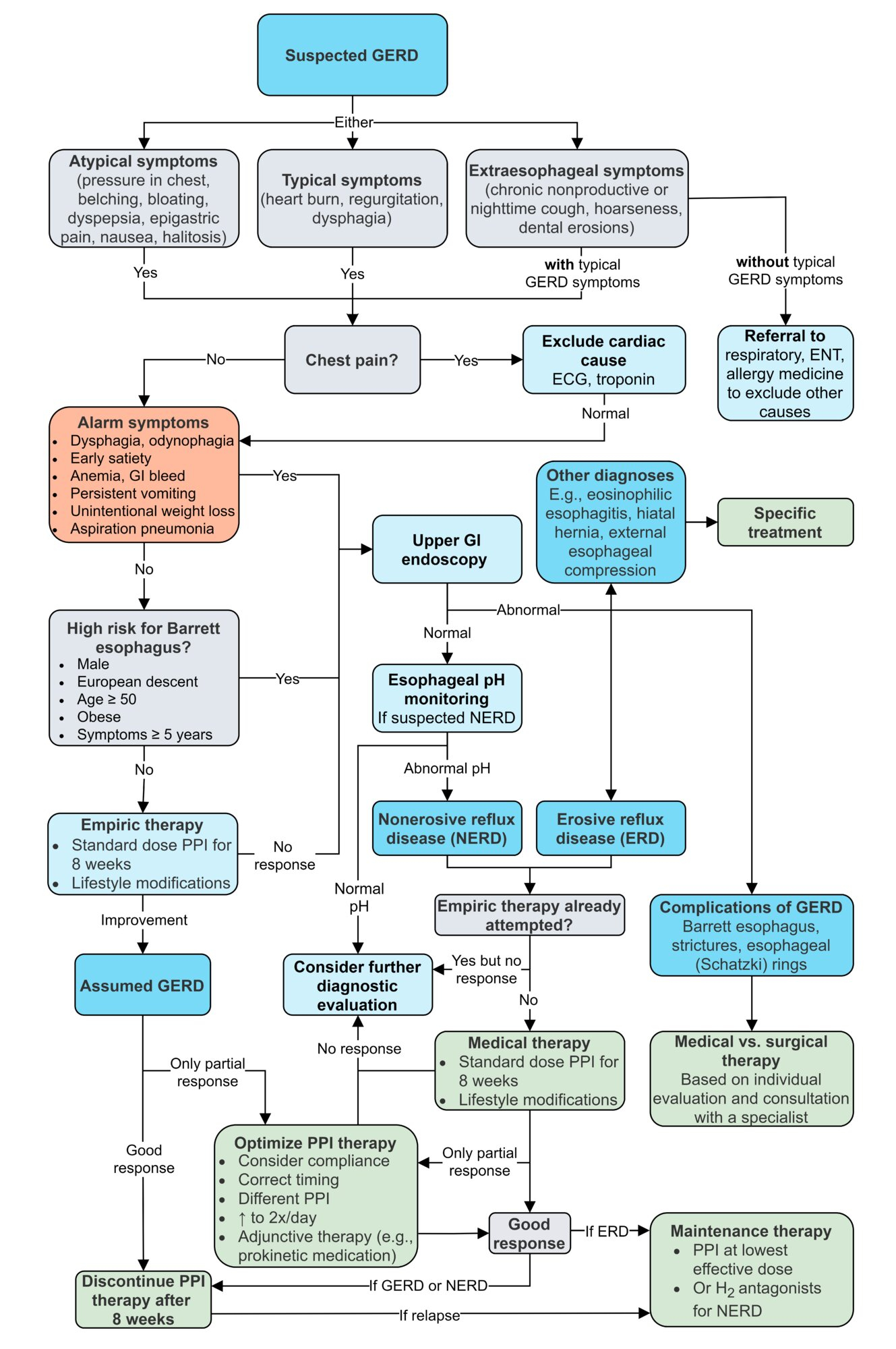
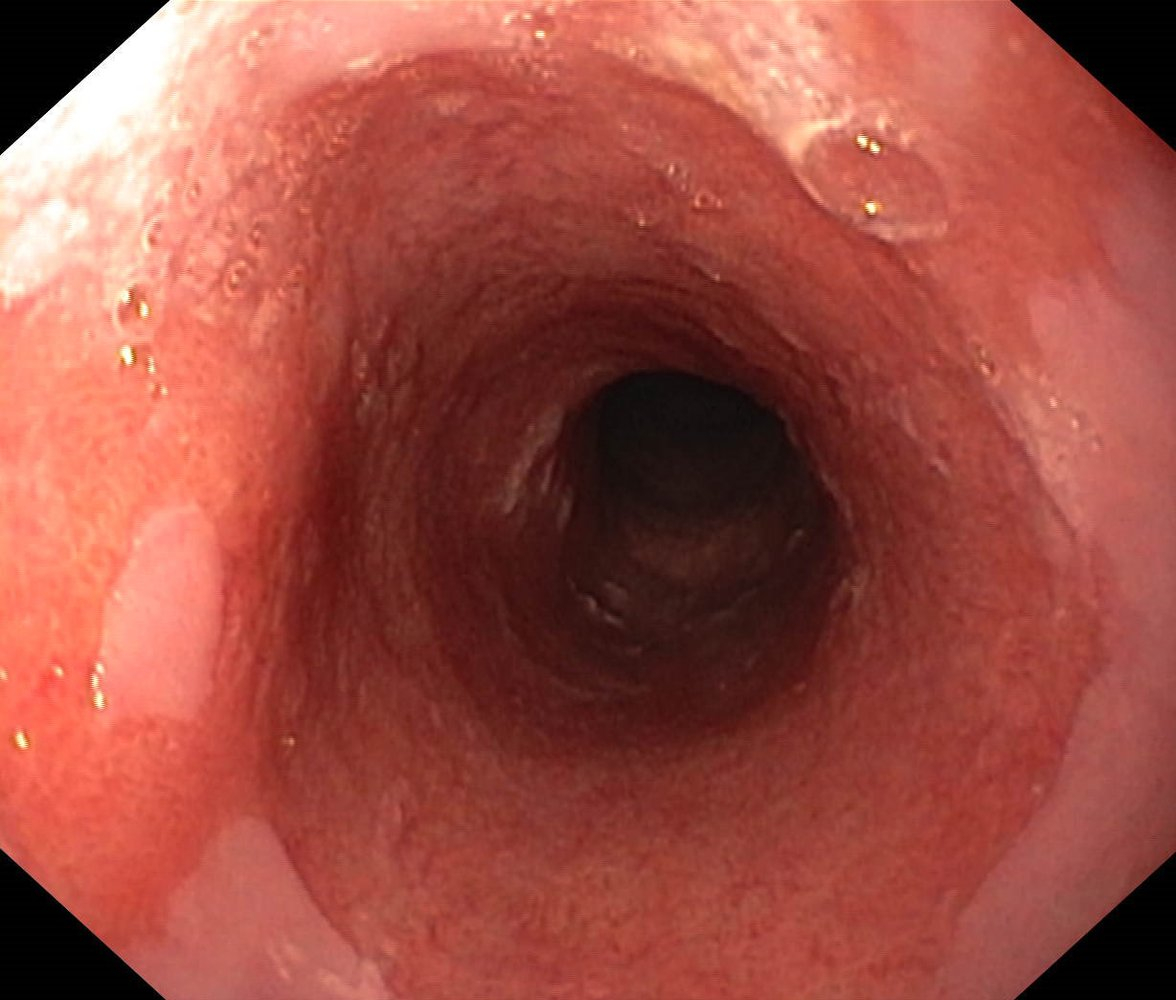
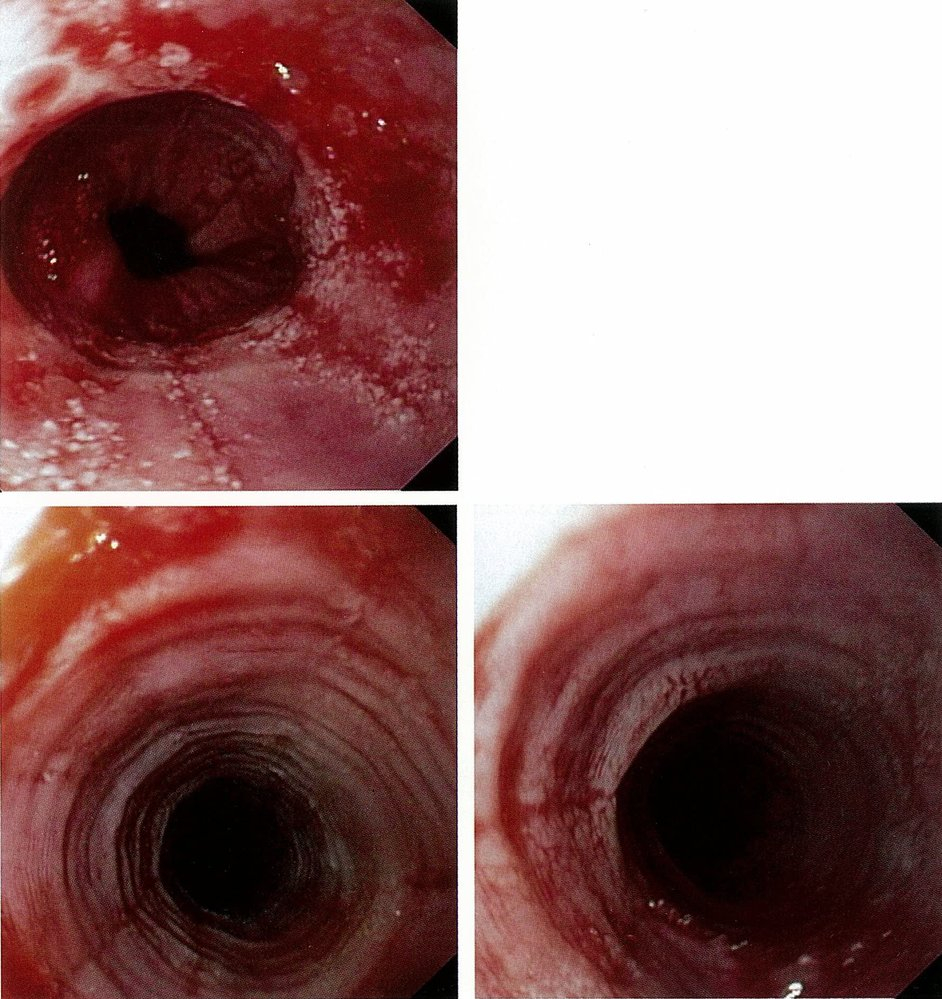
- pH probe measurement (the gold standard for diagnosis)
- Barium upper gastrointestinal study
- Gastric emptying study
- Endoscopy with biopsy (detects inflammation)
- Bronchoscopy with alveolar lavage (when aspiration is suspected)
Differential diagnosis
- Milk protein allergy
- Pyloric stenosis
| Differential Diagnosis of Regurgitation and Vomiting in Infants | ||
|---|---|---|
| Diagnosis | Clinical Features | Management |
| Gastroesophageal Reflux |
|
|
|
|
|
| Milk Protein Allergy |
|
|
| Pyloric Stenosis |
|
|
| Infantile Hypertrophic Pyloric Stenosis | |
|---|---|
| Risk Factors |
|
| Clinical Presentation |
|
| Associations |
|
| Laboratory Findings |
|
| Diagnostic Studies |
|
| Treatment |
|
| Protein Intolerance Leading to Malabsorption | |
|---|---|
| Epidemiology |
|
| Clinical Features |
|
| Diagnosis |
|
| Management |
|
Treatment
- Conservative management
- Positioning in an upright or sitting position (raise the head of the bed after feeding or when asleep)
- Dietary recommendations (frequent small meals and thickening of feeds)
- Acid inhibition with antacids, histamine 2 receptor blockers, and proton pump inhibitors
- Surgical management
- Nissen fundoplication (wrapping the fundus of the stomach around the distal esophagus)
- Pyloroplasty (to improve gastric emptying)
Complications
- Upper and lower airway disease may be induced or worsened by GERD (acidic refluxate induces bronchopulmonary constriction and can also lead to frank aspiration or microaspiration)
- Chronic laryngitis, hoarseness, wheezing and the development of vocal cord nodules.
- Failure to thrive
- Esophageal strictures
- Barrett esophagus
احصل على التجربة الكاملة
اشترك للوصول لفيديوهات الشرح التفصيلي والبطاقات التعليمية التفاعلية وأسئلة الممارسة مع تتبع التقدم.