Background
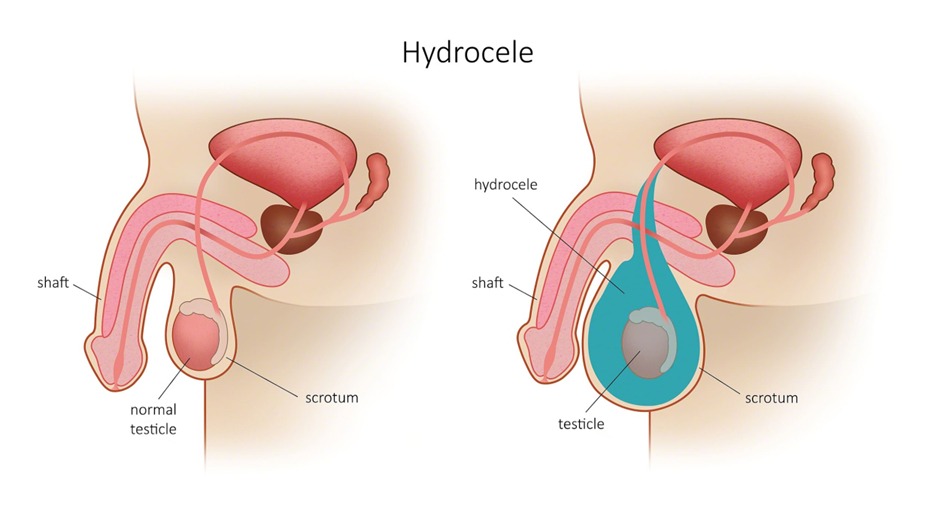
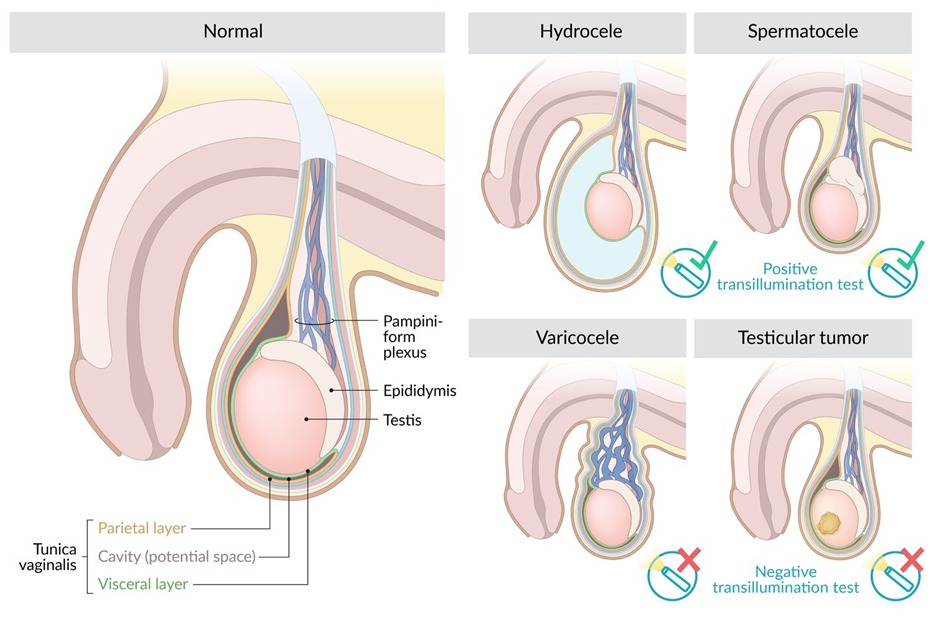
- Hydrocele is an abnormal collection of fluid (swelling) within the (parietal and visceral layers) tunica vaginalis of the scrotum or along the spermatic cord in males
- Hydroceles are classified into: primary (congenital) and secondary (secondary to conditions such as inflammation, tumor, trauma, infections like acute epididymitis and mumps, or previous surgeries)
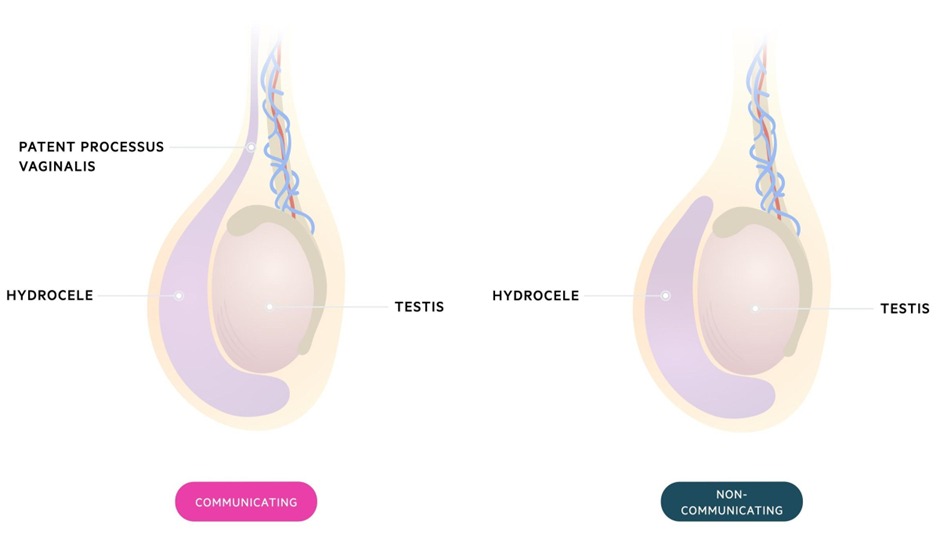
- Hydrocele can also be classified into: communicating and non-communicating
- Communicating hydroceles are secondary to incomplete closure of processus vaginalis (common in infants and children)
- Non-communicating hydroceles are usually idiopathic and the processus vaginalis is completely closed (more common in adults)
- Congenital hydrocele usually resolves spontaneously by 1 year of age
سجل دخولك لإضافة ملاحظات خاصة لكل قسم
· اشترك الآن
Clinical features
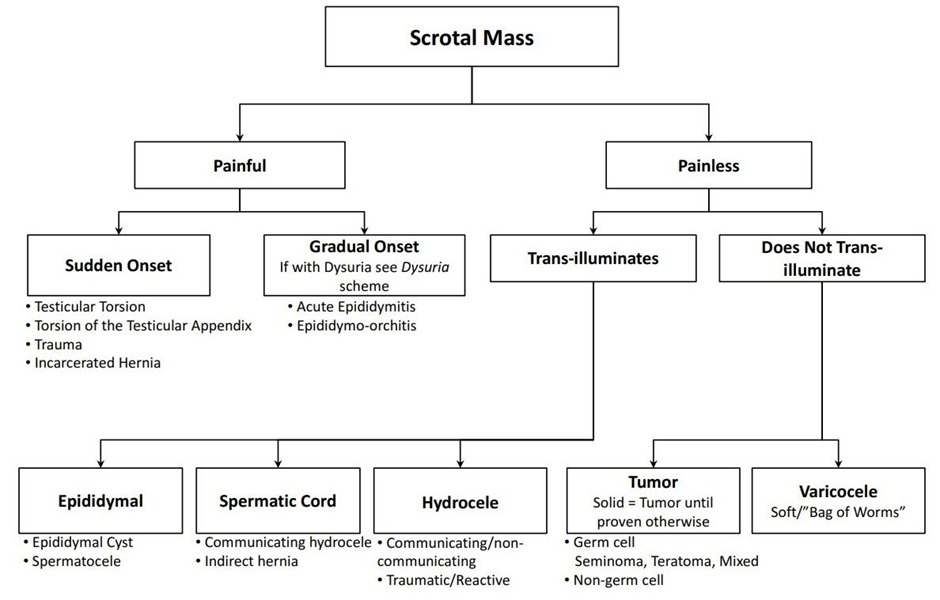
- Hydroceles typically manifest as a soft nontender fullness within the hemiscrotum (painless bulge)
- Communicating hydroceles increase in size with increased intra-abdominal pressure and decrease in size when the patient is lying supine
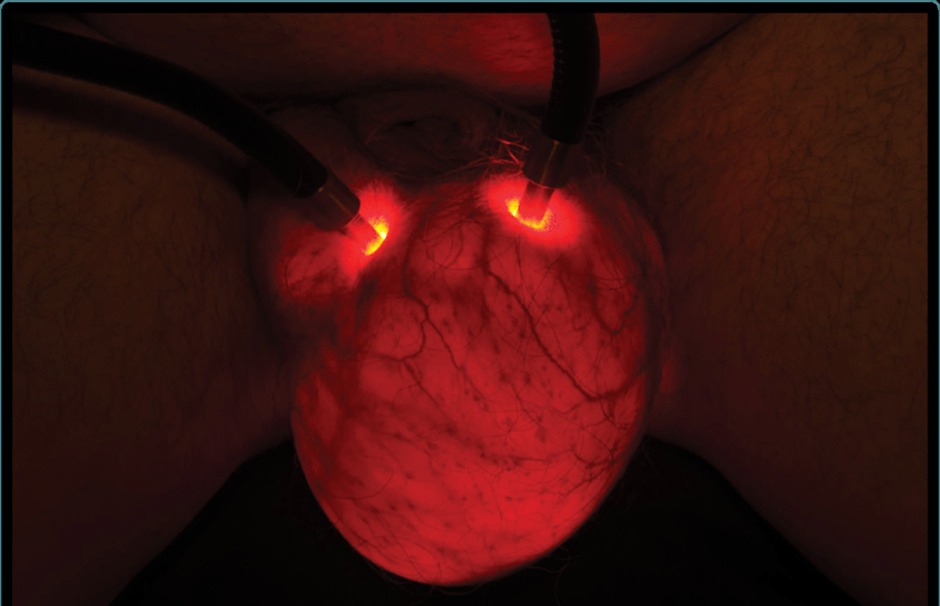
- When scrotum is investigated with a focused beam of light, the scrotum transilluminates (positive transillumination test)
سجل دخولك لإضافة ملاحظات خاصة لكل قسم
· اشترك الآن
Treatment
- Conservative (monitoring)
- Operative (surgical hydrocelectomy; if the hydrocele does not self-resolve)
سجل دخولك لإضافة ملاحظات خاصة لكل قسم
· اشترك الآن
احصل على التجربة الكاملة
اشترك للوصول لفيديوهات الشرح التفصيلي والبطاقات التعليمية التفاعلية وأسئلة الممارسة مع تتبع التقدم.
فيديوهات الشرح
بطاقات تفاعلية
أسئلة ممارسة
اشترك الآن