شرح المدرسين

Summary
Menopause is a natural, age-related decline in ovarian function that marks the end of a woman's reproductive capacity, defined retrospectively after 12 consecutive months of amenorrhea without other causes. It progresses through four distinct phases: premenopause, perimenopause, menopause, and postmenopause — each characterized by unique hormonal and clinical patterns. The median age of menopause globally and in Jordan is approximately 51 years.
Declining estrogen and progesterone levels lead to a spectrum of symptoms including vasomotor disturbances (hot flashes, night sweats), genitourinary syndrome of menopause (GSM) with vaginal atrophy, mood and cognitive changes, and significantly increased risk of osteoporosis and cardiovascular disease. Diagnosis is primarily clinical, supported by selective laboratory testing when atypical features are present. Management is individualized and ranges from lifestyle modifications and hormone replacement therapy (HRT) for moderate to severe symptoms, to nonhormonal pharmacologic alternatives, and systematic screening for long-term complications.
Definition & Clinical Phases
Definition
Menopause is defined as the permanent cessation of menses following loss of ovarian follicular activity, confirmed retrospectively after 12 months of spontaneous amenorrhea without other pathologic causes. It results from age-related decline in ovarian follicular reserve, leading to decreased estrogen and progesterone production, with compensatory elevation of gonadotropins (FSH and LH).
Key epidemiologic points:
- Median age of natural menopause: ~51 years (range 45–56 years)
- Smokers and malnourished women experience earlier onset (up to 1–2 years earlier)
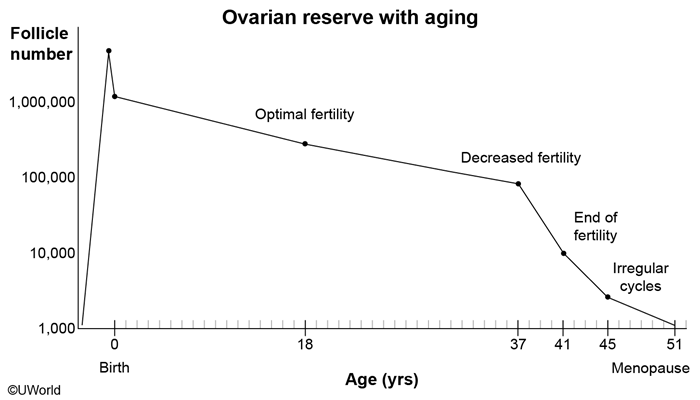
- Estrogen decline correlates with ovarian follicle depletion: from ~1–2 million at birth to <1,000 at menopause
Vaginal pH Changes – Exam Trap Note
Vaginal pH rises from the reproductive-age range of 3.5–4.5 to >5 after menopause, due to loss of lactobacilli and depletion of vaginal glycogen. This elevated pH predisposes to recurrent urogenital infections (bacterial vaginosis, urinary tract infections).
| فخ امتحاني – Exam Trap: Vaginal pH After Menopause | |
|
دايماً بيسألوا عن الـ vaginal pH بعد الـ menopause، تذكر إنو بيصير >5 بسبب الـ loss of glycogen و الـ decreased lactobacilli، وهالشي بيعمل predisposition للـ infections. |
تذكر |
Phases of the Female Reproductive Lifespan
| Phases of the Female Reproductive Lifespan | |
|---|---|
| Premenopause | |
| Description | Key Features |
| From menarche until onset of perimenopause | Normal, cyclic ovarian activity; regular menses |
| Perimenopause (Menopausal Transition) | |
| Description | Key Features |
| Begins with menstrual irregularity; ends 12 months after final menstrual period (FMP) | Fluctuating estrogen, irregular cycles, vasomotor symptoms; median duration ~4 years |
| Menopause | |
| Description | Key Features |
| The date of the FMP, confirmed retrospectively after 12 months of amenorrhea | Ovarian failure, hypoestrogenism, high FSH (>30 IU/L) |
| Postmenopause | |
| Description | Key Features |
| Time after menopause | Early phase: symptoms may persist; late phase: long-term complications (osteoporosis, CVD) |
Menopause Subtypes and Special Cases
| Menopause Subtypes and Special Cases | |
| Menopause Subtypes | Classification |
| Induced Menopause | Abrupt cessation following oophorectomy, chemotherapy, or pelvic radiation. Characterized by sudden hormonal decline and severe vasomotor and mood symptoms. |
| Premature Menopause | <40 years of age. Often due to primary ovarian insufficiency (POI) or iatrogenic causes; affects ~1% of women. Increased long-term risk of osteoporosis and cardiovascular disease. |
| Early Menopause | 40–45 years of age. Affects ~5% of women; associated with increased risk of osteoporosis, CVD, and cognitive decline. |
Pathophysiology & Clinical Manifestations
Pathophysiology
Menopause results from progressive, age-related depletion of ovarian follicles (ovarian reserve decline). This cascade triggers:
- ↓ Estrogen and progesterone production (hypogonadism)
- Loss of negative feedback on the hypothalamic-pituitary axis
- ↑ GnRH (gonadotropin-releasing hormone) → ↑ FSH and LH (hypergonadotropic hypogonadism)
- Resultant anovulatory cycles and eventual complete ovarian failure
Iatrogenic menopause (surgical oophorectomy, chemotherapy, pelvic radiation) produces an abrupt rather than gradual hormonal decline, resulting in more severe and protracted vasomotor and mood symptoms compared to natural menopause.
Clinical Manifestations
Menstrual Changes
- Early perimenopause: Shorter, irregular cycles
- Late perimenopause: Cycles ≥60 days apart
- Final stage: Complete amenorrhea (often preceded by heavy menstrual bleeding due to unopposed estrogen and anovulation)
Vasomotor Symptoms (VMS)
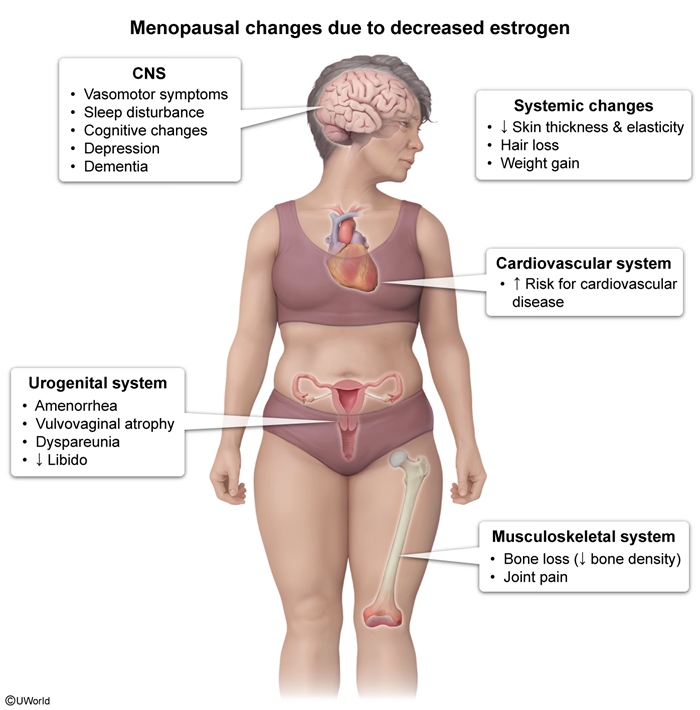
- Hot flashes, night sweats, heat intolerance, and sleep disruption
- Affect approximately 75% of women
- Average duration: 7–9 years (may persist >10 years in up to 20% of women)
- More severe in surgically induced menopause or premature menopause
Genitourinary Syndrome of Menopause (GSM)
Results from vaginal and urethral epithelial atrophy due to estrogen deficiency:
- Vulvovaginal symptoms: Dryness, dyspareunia (pain on intercourse), irritation, postcoital bleeding
- Urinary symptoms: Dysuria, urgency, frequency, stress incontinence, recurrent urinary tract infections
- Vaginal pH: Increases from 3.5–4.5 to >5 (predisposes to bacterial vaginosis and infections)
- Progressive and chronic unless treated with local estrogen therapy or nonhormonal alternatives
Neuropsychiatric & Cognitive Symptoms
- Sleep disturbances, mood lability, anxiety, depression
- Cognitive complaints ("brain fog," decreased memory and concentration)
- Fatigue and vertigo may occur
Sexual & Physical Changes
- Decreased libido and sexual arousal
- Weight gain and central adiposity (metabolic effect of estrogen loss)
- Skin thinning, hair loss, relative hirsutism (increased androgenic effect with reduced estrogen)
Diagnosis
Clinical Diagnosis
Menopause is diagnosed clinically in women ≥40 years with:
- Typical menopausal symptoms (vasomotor, genitourinary, mood changes)
- Menstrual changes consistent with perimenopause or amenorrhea ≥12 months
- Absence of other medical causes (thyroid disease, pregnancy, hyperprolactinemia)
No laboratory confirmation is routinely required for diagnosis in typical presentations. Labeling the final menstrual period (FMP) is retrospective — made after 12 months of confirmed amenorrhea.
Laboratory Testing (Selective)
Indicated when clinical diagnosis is unclear or atypical features are present:
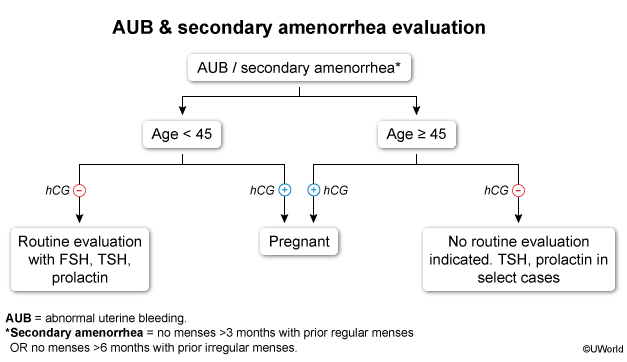
Serum: ↑ FSH (>30 IU/L) and ↓ estradiol (<20 pg/mL) support menopause diagnosis, but hormone levels fluctuate significantly during perimenopause and a single measurement may be misleading. TSH and prolactin to exclude thyroid dysfunction or hyperprolactinemia as causes of amenorrhea or irregular menses.
Urine: β-hCG to exclude pregnancy in women with recent amenorrhea.
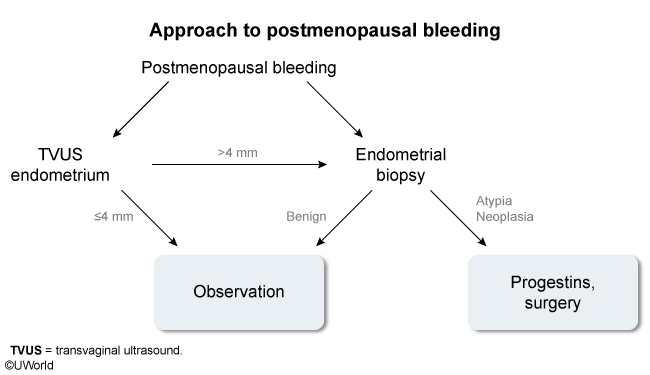
Other investigations (if clinically indicated): Androgens (DHEA-S, testosterone) if signs of hyperandrogenism or virilization are present; pelvic ultrasound if abnormal or postmenopausal bleeding to assess endometrial thickness; endometrial biopsy if bleeding persists and endometrial thickness >4 mm on ultrasound.
Management
Lifestyle Measures (First-Line for All Women)
- Balanced diet: Adequate calcium (1,200 mg/day) and vitamin D (800–1,000 IU/day) to reduce osteoporosis risk
- Weight-bearing exercise: ≥30 minutes daily to maintain bone density and cardiovascular health
- Smoking and alcohol cessation: Reduces bone loss and cardiovascular risk; smokers experience menopause 1–2 years earlier
- Hot flash trigger avoidance: Spicy foods, caffeine, alcohol, hot beverages, and stress
- Sleep hygiene, stress reduction, yoga, mindfulness: Improves vasomotor symptoms and mood
Pharmacologic Therapy
Hormone Replacement Therapy (HRT) – First-Line for Moderate to Severe Symptoms
Indications:
- Moderate to severe vasomotor symptoms (hot flashes, night sweats)
- Moderate to severe genitourinary syndrome of menopause (GSM)
- Premature menopause (<40 years) or early menopause (40–45 years) to reduce osteoporosis and CVD risk
- Prevention of osteoporosis in selected high-risk women
Forms & Routes:
- Estrogen + progestin: For women with an intact uterus (progestin required to reduce endometrial cancer risk)
- Estrogen-only: For hysterectomized women
- Routes: Oral, transdermal (patches), or transvaginal (creams, tablets, rings)
Contraindications – Clinical Pearl:
| ملاحظة سريرية – Clinical Pearl |
|
أي مريضة عندها undiagnosed vaginal bleeding أو history of DVT أو stroke، الـ HRT is strictly contraindicated ولازم تدور على nonhormonal options. |
- Undiagnosed vaginal bleeding (must exclude endometrial pathology first)
- Estrogen-dependent malignancy: Breast cancer, endometrial cancer (absolute contraindication)
- Active or history of venous thromboembolism (VTE), stroke, or transient ischemic attack (TIA)
- Coronary artery disease (CAD) or myocardial infarction (MI)
- Severe hepatic disease (cirrhosis, hepatic dysfunction)
- Migraine with aura (increased stroke risk with combined hormonal therapy)
| Mnemonic – HRT Contraindications: BEAT CANCER | |
| Bleeding (undiagnosed vaginal bleeding) Estrogen-dependent tumors (breast, endometrial cancer) Active thromboembolism or history of VTE/stroke Thrombin risk (CAD, active thromboembolic disease) Coronary artery disease (CAD) Alcoholism / liver disease (severe) N-/A (no exceptions once contraindication confirmed) Conditions: migraine with aura (if considering estrogen) Endometrial pathology (undiagnosed bleeding, suspected malignancy) Risk factors: uncontrolled hypertension, recent stroke |
جملة تذكرية |
Adverse Effects & Long-Term Risks:
- Short-term: Breast tenderness, bloating, mood changes, nausea
- Long-term (with combined estrogen-progestin >5 years): ↑ DVT/PE risk, ↑ stroke risk, ↑ breast cancer risk (absolute risk still small; ~8 additional cases per 10,000 women/year)
- Monitor blood pressure, lipids, and symptom improvement at 3–6 weeks; reassess need annually
Vaginal Estrogen Therapy
Indicated for: Isolated genitourinary syndrome (GSM) without systemic vasomotor symptoms
Forms: Vaginal creams (estradiol, conjugated estrogens), vaginal tablets (estradiol), vaginal ring (estradiol), or vaginal DHEA
Advantages: Minimal systemic absorption; safe for long-term use; effective for vaginal dryness and urinary symptoms
Caution: Avoid in estrogen-dependent cancer (breast, endometrial) unless approved by the treating oncologist; may need to obtain recent endometrial imaging to exclude pathology before initiating.
Nonhormonal Pharmacologic Options
| Nonhormonal Treatment Options for Menopausal Symptoms | ||
|---|---|---|
| Vasomotor Symptoms (Hot Flashes) | SSRIs (paroxetine 10–20 mg/day, escitalopram 10–20 mg/day) | SNRIs (venlafaxine 75–150 mg/day), gabapentin 300–900 mg/day, fezolinetant (NK3 antagonist, FDA 2023) |
| Genitourinary Syndrome | Vaginal moisturizers (regular use), vaginal lubricants (as needed) | Ospemifene 60 mg oral daily (SERM) |
| Mood & Sleep Disturbances | CBT, sleep hygiene, regular exercise | Antidepressants (sertraline, citalopram), melatonin, short-term sleep aids |
Complications & Long-Term Screening
Long-Term Complications of Menopause
Osteoporosis
Accelerated bone resorption in the first 5–7 years of postmenopause due to loss of estrogen's osteoclast-inhibiting effects. Increases fracture risk (hip, vertebral, wrist). Most common cause of fracture in older postmenopausal women.
Cardiovascular Disease
Estrogen loss removes cardioprotective effects (improved endothelial function, favorable lipid profile). Results in increased LDL cholesterol, decreased HDL cholesterol, elevated triglycerides, and hypertension. Leading cause of death in postmenopausal women.
Genitourinary Syndrome (GSM)
Progressive vaginal dryness, dyspareunia, urinary symptoms, and recurrent infections if untreated. Significantly impacts quality of life and sexual function.
Postmenopausal Bleeding
Always requires investigation to exclude endometrial malignancy (10% of cases). Initial evaluation with transvaginal ultrasound (TVUS); endometrial biopsy indicated if thickness >4 mm. Benign causes include atrophic endometrium (60–80%), endometrial polyps, and hormonal therapy effects.
Cognitive Decline & Dementia Risk
Estrogen has neuroprotective effects; loss correlates with increased risk of mild cognitive impairment and Alzheimer dementia in late-life menopause (>55 years at menopause).
Metabolic Syndrome
Postmenopausal women have increased insulin resistance, central adiposity, dyslipidemia, and hypertension.
Screening & Preventive Care Recommendations
Bone Density (DEXA): Baseline screening in women ≥65 years; younger women (age 50–64) if risk factors present (low BMI, smoking, family history, corticosteroid use, prior fragility fracture). Repeat every 2 years if normal; annually if T-score between −1 and −2.5 (osteopenia).
Cardiovascular Risk Assessment: Blood pressure, fasting lipid panel (total cholesterol, LDL, HDL, triglycerides), fasting glucose. Consider coronary calcium scoring in asymptomatic women with intermediate risk (age 55–80 years).
Cancer Screening (Age-Appropriate):
- Breast: Mammography annually (women ≥50 or starting at 40 with risk factors)
- Cervical: Pap smear or HPV testing per guidelines (may cease at age 65–70 if adequately screened)
- Colorectal: Colonoscopy every 10 years starting age 50; earlier if family history
- Endometrial: No routine screening; investigate postmenopausal bleeding promptly
Metabolic Health: Fasting glucose, HbA1c; assess for metabolic syndrome.
Psychological Health: Screen for depression, anxiety, cognitive concerns; refer for counseling or treatment if indicated. Cognitive behavioral therapy (CBT) beneficial for vasomotor symptoms, mood, and sleep.
Key Points for Exams – نقاط مهمة للامتحانات
High-Yield Exam Pearls
| Definition & Diagnosis | |
| Menopause is defined retrospectively after 12 months of amenorrhea, not at the time symptoms begin. The final menstrual period (FMP) is labeled only in hindsight. | تذكر |
| FSH Interpretation | |
| FSH >30 IU/L supports menopause, but FSH fluctuates widely during perimenopause. A single elevated FSH is not diagnostic; use clinical context. | تذكر |
| Vaginal pH in Menopause | |
| Postmenopausal vaginal pH >5 (loss of lactobacilli, decreased glycogen) predisposes to bacterial vaginosis and recurrent UTIs. Exam frequently tests this pathophysiology. | تذكر |
| HRT Contraindications – Absolute | |
| Undiagnosed bleeding, estrogen-dependent cancer (breast, endometrial), active VTE/stroke/TIA, CAD, severe liver disease, migraine with aura. Review "BEAT CANCER" mnemonic. | تذكر |
| HRT & Uterus Status | |
| Women with intact uterus REQUIRE estrogen + progestin (progestin protects against endometrial cancer). Hysterectomized women can receive estrogen-only. | تذكر |
| Vasomotor Symptom Duration | |
| Average 7–9 years, but can persist >10 years in 20% of women. More severe if menopause is surgically induced. | تذكر |
| Postmenopausal Bleeding | |
| Always investigate with transvaginal ultrasound (TVUS). Endometrial thickness >4 mm requires biopsy to exclude malignancy. Atrophic endometrium (~70%) is benign but biopsy-confirmed diagnosis is standard. | تذكر |
| Nonhormonal First-Line Options for Vasomotor Symptoms | |
| For VMS refractory to lifestyle: SSRIs (paroxetine, escitalopram) are first-line. Fezolinetant (NK3 receptor antagonist) newly FDA-approved (2023) is effective but expensive. | تذكر |
| Premature Menopause (<40 years) | |
| Often due to primary ovarian insufficiency (POI). Associated with ~1% prevalence. HRT is typically recommended until age 51 (average menopause) to reduce osteoporosis and CVD risk. | تذكر |
| Bone Loss Acceleration | |
| Bone loss accelerates most in the first 5–7 years of postmenopause. DEXA screening at age ≥65 or earlier if risk factors. Treat if T-score ≤−2.5 or fragility fracture history. | تذكر |
Key Study Notes
- Median menopause age: ~51 years globally and in Jordan; range 45–56 years
- Smokers: Experience menopause 1–2 years earlier
- Induced vs. Natural Menopause: Induced (surgical/chemotherapy) causes abrupt hormonal drop and more severe symptoms
- GSM (Genitourinary Syndrome): Vaginal atrophy, dyspareunia, dysuria, urinary incontinence; affects vaginal pH, predisposes to infection
- Vasomotor Symptoms: Affect ~75% of women; most common reason for HRT initiation
- HRT Risk-Benefit: Effective for VMS and GSM; weigh against increased VTE, stroke, and breast cancer risk with combined therapy >5 years
- Estrogen Loss Effects: Cardiac (CVD risk ↑), skeletal (osteoporosis), CNS (hot flashes, cognitive), urogenital (atrophy), metabolic (insulin resistance)
- Long-term Complication Management: Bone density screening (DEXA), cardiovascular risk assessment, age-appropriate cancer screening, psychological health monitoring
احصل على التجربة الكاملة
اشترك للوصول لفيديوهات الشرح التفصيلي والبطاقات التعليمية التفاعلية وأسئلة الممارسة مع تتبع التقدم.